
Applications
Closed-Loop Chilled Water
Closed chilled-water loops carry cooling through a building or plant in a sealed circuit. Corrosion and deposits are the main risks, and a sealed loop depends on a stable inhibitor residual.
On this page (7)
Overview
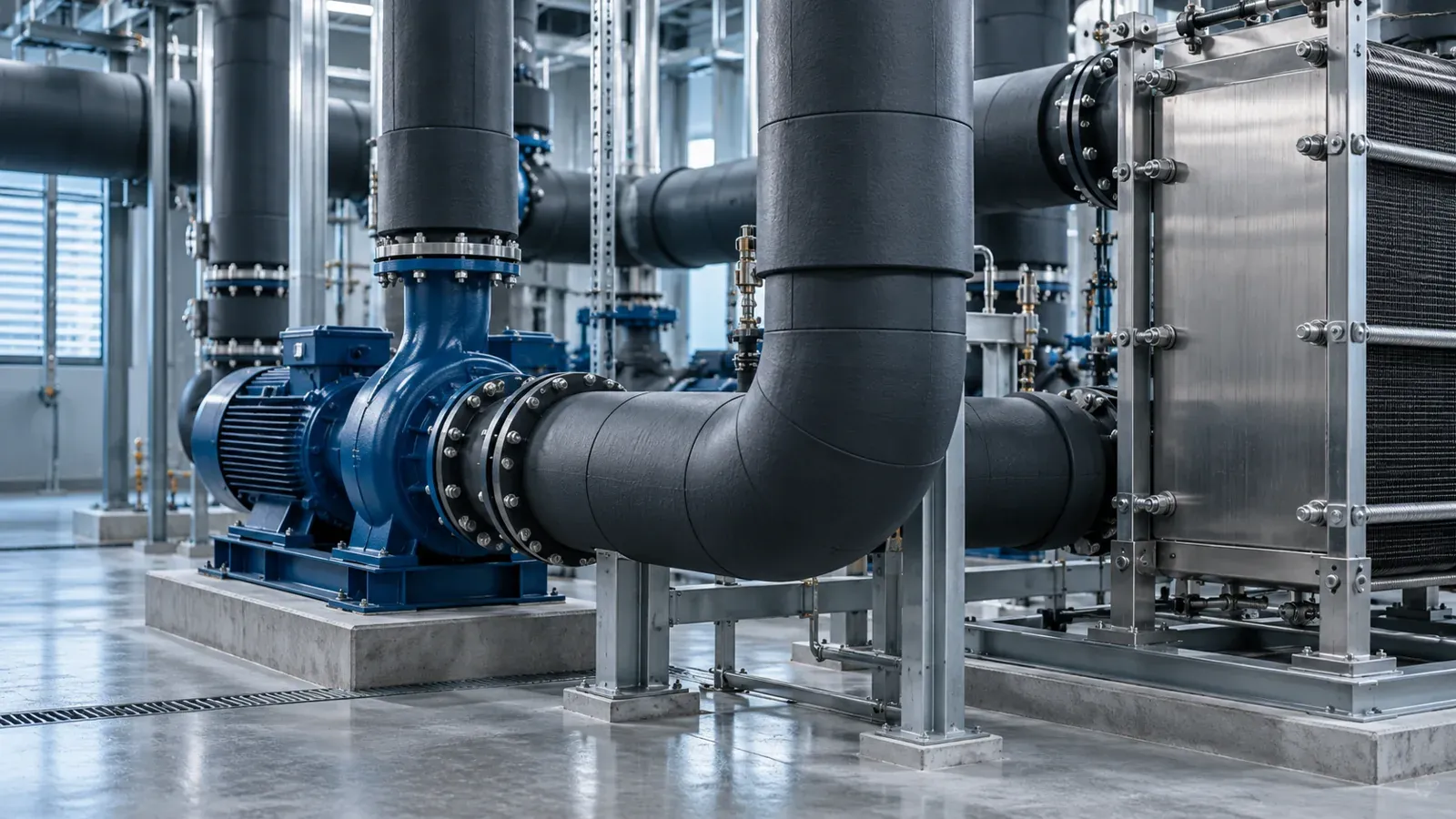
A closed-loop chilled-water system circulates cooled water between a chiller and the air handlers, fan-coil units or process equipment that use the cooling. The water stays in a sealed circuit, so there is no evaporation and no concentration of salts as in an open tower. That makes the loop stable in principle, but it also means the same water, and whatever it carries, stays in the system for years.
How does a closed chilled-water loop work?
Pumps move chilled water from the chiller evaporator through supply pipework to the cooling coils and back. An expansion vessel absorbs volume changes, and a small make-up connection replaces losses. The metals involved are typically carbon steel pipework, copper in coils and mixed alloys in valves and pumps, so the loop contains several metals in contact with the same water.
What are the water-chemistry risks?
- Corrosion: dissolved oxygen that enters through make-up, open vents or leaks attacks carbon steel, and different metals in contact can set up galvanic attack.
- Deposits: corrosion products and any construction debris settle in low-flow areas and clog strainers, coils and valves.
- Biological growth: a loop that is poorly cleaned or filled with untreated water can support bacteria that form slime and cause under-deposit corrosion.
- Make-up variability: frequent top-up with untreated water dilutes the inhibitor and brings in oxygen and hardness.
How is a closed chilled-water loop monitored?
Monitoring follows the inhibitor residual that the datasheet for the chosen program specifies, with a nitrite residual for a nitrite-based program, together with pH, conductivity and corrosion indicators. Clear, colourless water is a good sign and discolouration or suspended iron is an early warning. Records of make-up volume reveal leaks, and microbiological checks show whether growth is establishing itself.
Which chemical categories are relevant?
Our datasheets describe a nitrite-based closed-loop chiller inhibitor, and cooling-system biocides where microbiological control is needed. Treatment rates are set by our technical team from the water analysis and the operating conditions, and the loop is monitored so that the residual stays in the intended range.
Considerations
Points to take into account when treating a closed chilled-water loop. These are qualitative guidance and not a recommendation for a specific system.
- Cleanliness at the start: new pipework should be flushed and cleaned before the loop is filled and inhibited.
- Make-up water quality and a make-up meter, so that unexpected top-up is visible.
- The metals in the loop, because inhibitor choice must suit all of them.
- Air removal and venting, since oxygen is the main driver of corrosion.
- How the loop is isolated and drained for repairs, which can lose inhibitor and let in air.
- Sampling points that give representative water, not stagnant water from a dead leg.
- Handover records that state what the loop was filled with and how it should be monitored.
Our technical team can review the loop description and a water analysis before a program is discussed.
Related industries
Facility Management
Facility management teams look after HVAC water loops, cooling towers and boilers across many buildings. This page outlines the typical systems, problems and decision points.
Hospitality
Hotels and resorts depend on chilled water, cooling towers, steam and treated water for comfort and service. This page outlines their typical systems and the problems that follow.
Manufacturing
Water systems typical of manufacturing plants, the operating problems that follow when the chemistry drifts, and how a problem-led approach keeps production loops stable.
MEP Contractors
MEP contractors install and commission the chilled-water, cooling and heating systems that need water treatment from the first fill. This page outlines the typical concerns.
Food and Beverage
Steam, chilled water, RO-treated process water and effluent shape food and beverage operations. This page outlines the typical systems, problems and decision points.
Related solutions
Chilled Water Treatment for Closed-Loop Systems
Nitrite-based corrosion and scale inhibition for closed chilled-water loops, with nitrite residual monitoring and biocides suitable for closed circuits.
RO System Installation and Commissioning
How an RO system moves from delivery to stable operation: installation, pre-start checks, commissioning and the baseline record that later performance is judged against.
Water Analysis Request
How to send a water analysis, the system type, the capacity and the current problem to our technical team so your case can be reviewed.
Related products
Cooling water chemicals
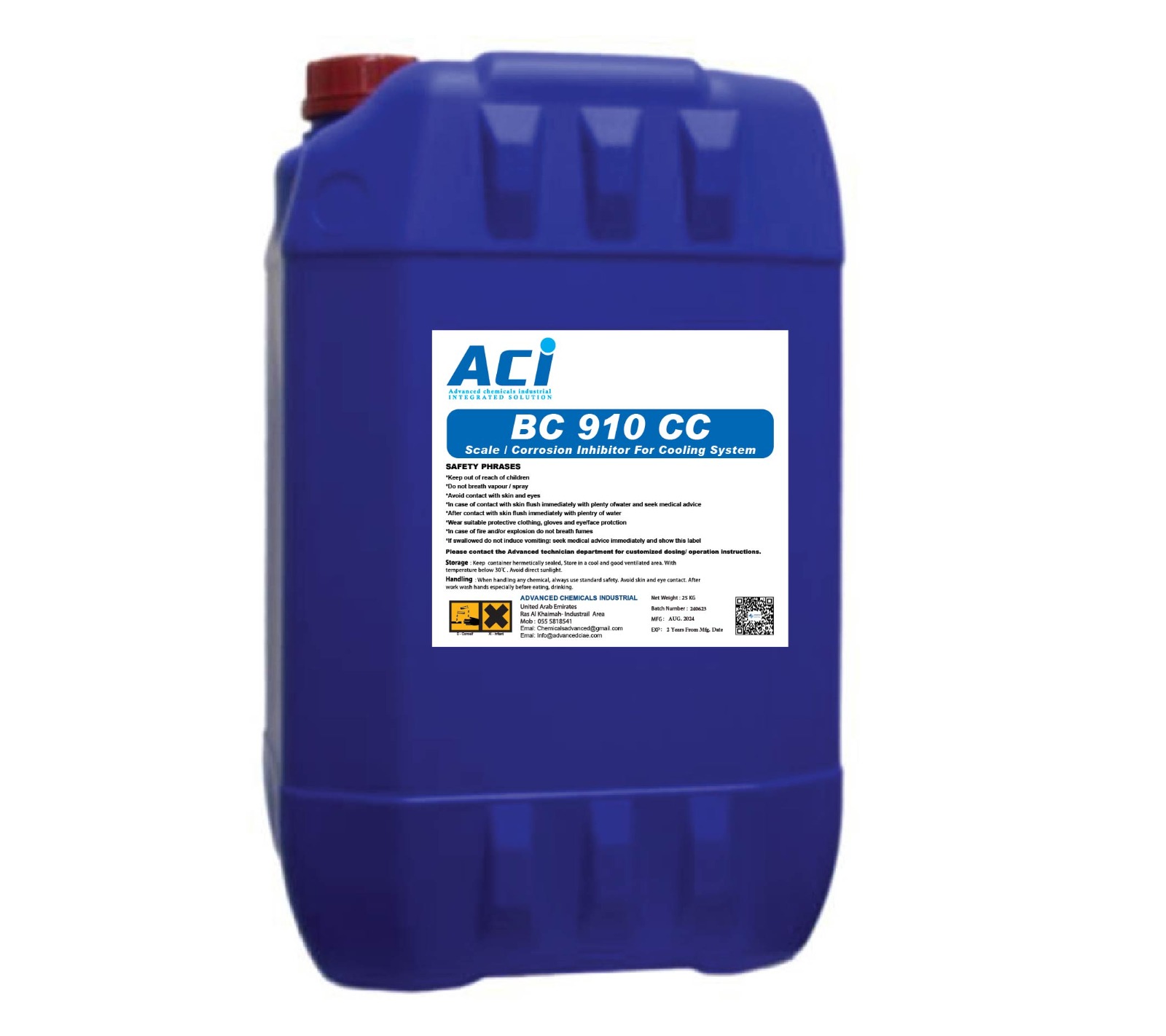
BC 910 CC Closed-Loop Chiller Inhibitor
Nitrite-based corrosion and scale inhibitor for closed-loop chilled water systems.
Cooling water chemicals
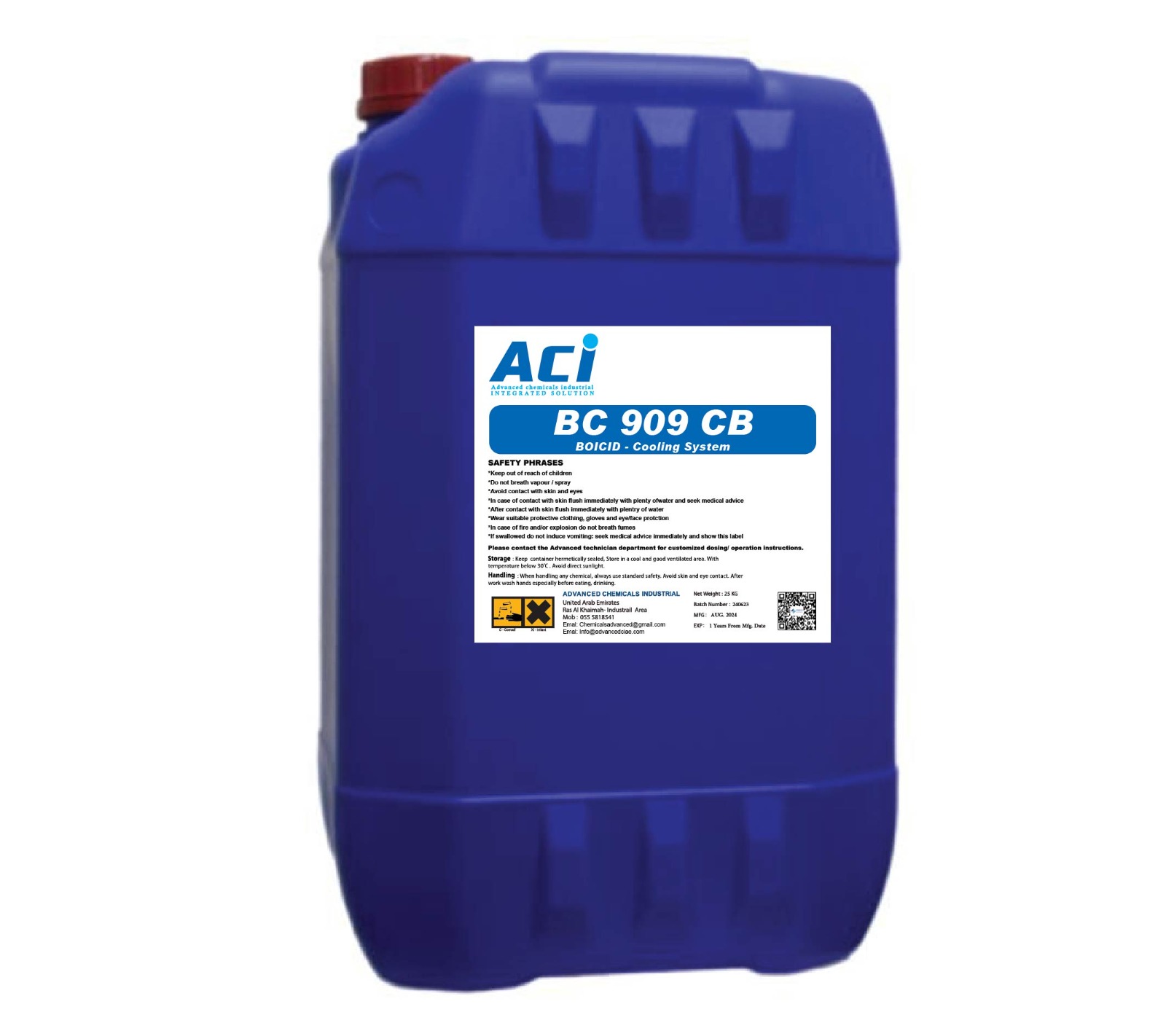
BC 909 CB Cooling System Biocide
CMIT/MIT based biocide that helps control bacteria, algae, fungi and slime in industrial and commercial cooling water systems.
Cooling water chemicals
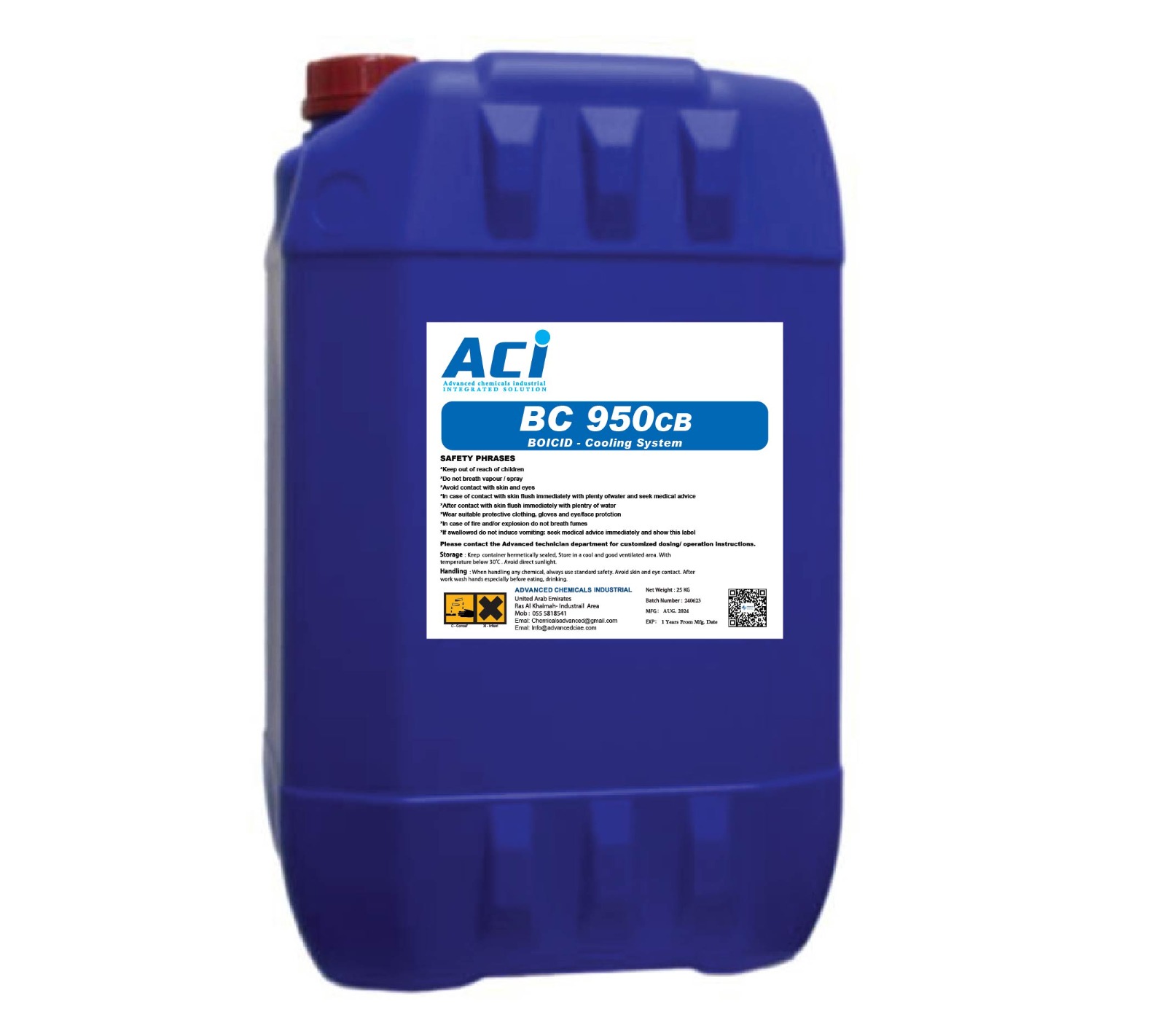
BC 950 CB Cooling System Biocide
Biocide that helps control bacteria, algae, fungi and slime in industrial and commercial cooling water systems.
Cooling water chemicals
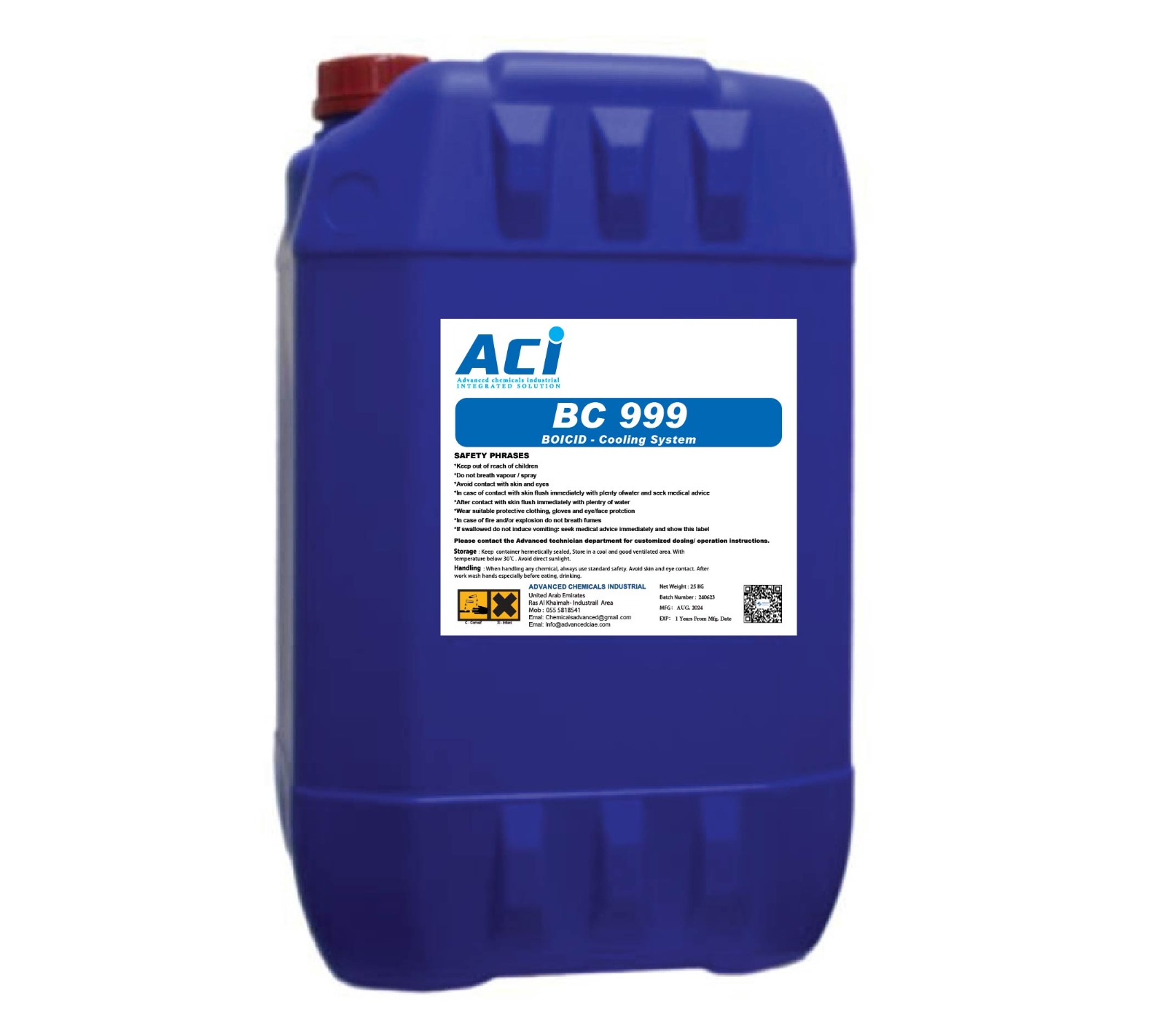
BC 999 Fast-Acting Cooling System Biocide (DBNPA)
DBNPA biocide for rapid control of microbiological growth in industrial and commercial cooling water systems.
Related problems
What causes corrosion in closed-loop chilled water systems?
Closed chilled-water and hot-water loops corrode when oxygen enters, inhibitor residual falls or microbes grow. See the signs, checks and the nitrite inhibitor approach.
Related questions
What causes corrosion in closed-loop chilled water systems?
Even a sealed loop corrodes when oxygen enters through make-up water, leaks or open expansion tanks, when the inhibitor residual falls, or when mixed metals and deposits set up galvanic and under-deposit attack. Water that is not monitored drifts out of its protective range unnoticed.
What is a nitrite-based closed-loop chiller inhibitor?
It is a corrosion inhibitor based on sodium nitrite that forms a thin protective film on steel surfaces in closed chilled-water circuits. Its protection depends on keeping the nitrite residual within the range stated for the product, which is why regular testing of the loop water is part of the programme.
Why does a sealed chilled-water loop still need treatment?
A closed loop is never perfectly closed: make-up water, small leaks and maintenance openings let in oxygen, minerals and microorganisms. Untreated, the loop corrodes, sheds iron that fouls heat exchangers and may support microbial growth, all of which reduce cooling efficiency and shorten equipment life.
How is a closed-loop chiller inhibitor monitored?
Test the loop water for the inhibitor residual, nitrite in the case of a nitrite product, together with pH, conductivity and iron, and compare corrosion coupon results over time. A falling residual or rising iron signals a leak, make-up dilution or active corrosion that needs a response.
Can microbial growth occur in closed chilled-water systems?
Yes. Low-flow branches, dead legs and warm sections let bacteria establish biofilm even in a closed loop, and some bacteria accelerate corrosion under the film. Good circulation, clean make-up water and periodic microbiological testing, with biocide treatment where results call for it, keep the loop healthy.
How does make-up water affect a closed chilled-water loop?
Every addition of make-up water dilutes the inhibitor and brings in fresh oxygen, hardness and chlorides. Frequent or unexplained make-up is therefore a warning of leakage, and the inhibitor residual should be re-tested and restored after any significant top-up or draining.
Which product category suits my system?
Match the category to the system and the problem. RO plants use antiscalants and membrane cleaners. Open cooling towers use scale and corrosion inhibitors with biocides. Closed chilled-water loops use a closed-loop inhibitor. Boilers use oxygen scavengers, pH boosters, scale inhibitors and, for condensate, neutralizing amines.
Let's discuss your water system.
Share the application and operating context to start a technical review.