
Industries
Power and Utilities
Boilers, condensate systems, cooling towers and RO make-up treatment are central to power and utilities plants. This page outlines the typical systems and problems.
On this page (6)
Overview
Power and utility plants turn water into steam and then back into water, again and again, so the quality of that water decides how long equipment lasts. Boiler feedwater, condensate, cooling and make-up treatment are the core systems. This page describes them and their typical problems in general terms. It is not a statement of past work in the sector.
Which water systems are typical in a power or utility plant?
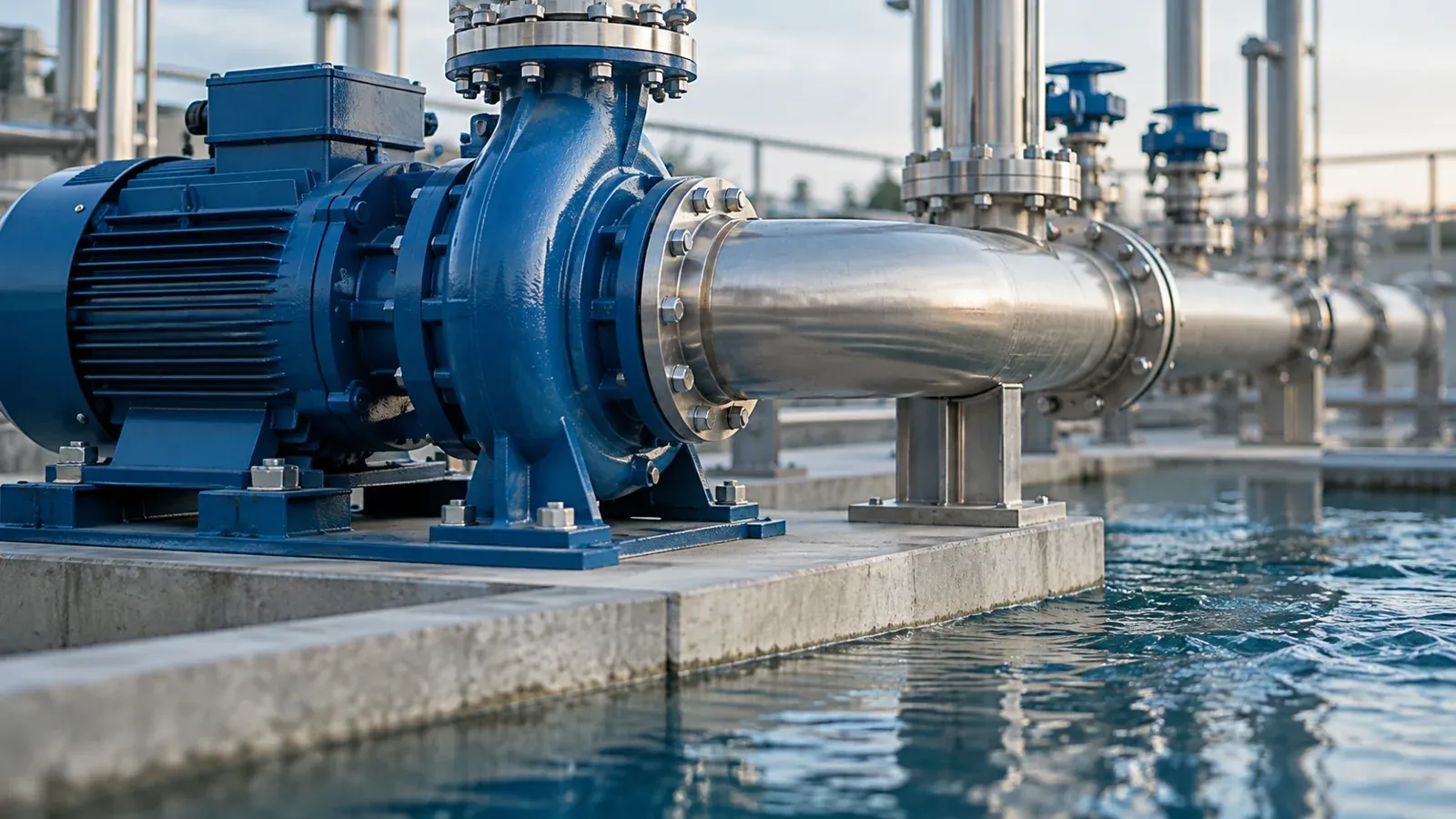
RO and related units prepare low-conductivity make-up water. Boilers or steam generators raise steam at a quality that depends on feedwater purity. Condensate returns through long lines that are exposed to oxygen and carbon dioxide. Cooling towers, or sea water circuits, reject heat from condensers and auxiliary equipment. Effluent from blowdown, regeneration and washing is collected and treated.
What typically goes wrong?
- Scale and deposits on boiler heat-transfer surfaces, which reduce heat transfer and raise metal temperature.
- Oxygen pitting in feedwater lines and boiler drums when oxygen removal is poor.
- Condensate line corrosion that returns iron to the boiler, where it deposits.
- Scale and biological fouling on condenser and cooling surfaces, which reduces efficiency.
- Membrane scaling and fouling in make-up RO, seen as a rising differential pressure and falling output.
What do decision makers in the sector care about?
Plant managers and operations leads care about availability, efficiency and the life of expensive boiler and turbine-side equipment. Small losses in heat transfer matter in a plant that runs continuously. They look for treatment programs that are conservative, monitored and documented, with reliable chemical supply. Procurement looks for technical clarity on products and on the limits of their use.
How does a problem-led approach help?
High-value equipment justifies a diagnostic approach. Deposits on a boiler inspection, iron in condensate samples and rising pressure drop across an RO stage each indicate a specific mechanism that can be tested against the water analysis. Our technical team sets treatment rates from that analysis and the operating conditions, and recommends monitoring of pH, conductivity and corrosion indicators so that changes are caught early.
Challenges
These challenges are typical of the sector in general and do not describe our own experience in it.
- Continuous operation, which leaves few chances to inspect or clean boilers and cooling systems.
- Make-up water quality that depends on the performance of RO and related units.
- Long condensate lines exposed to dissolved gases that attack carbon steel.
- Cycling duty, where repeated heating and cooling stress deposits and protective films.
- Mixed metallurgy across feedwater, boiler and condensate systems, which affects chemical choice.
- Documentation and monitoring discipline expected by owners, lenders and insurers.
A water analysis and a description of each system are a sensible basis for a technical review with our technical team.
Related solutions
Boiler Water Treatment for Low and Medium Pressure Boilers
Oxygen control in feedwater, pH control in the boiler, internal scale and corrosion inhibition, and neutralizing amines to protect condensate lines.
Cooling Water Treatment for Open Recirculating Cooling Towers
Scale, corrosion and biological control for open recirculating cooling towers, with monitoring and blowdown management built into the program.
RO Chemicals: Antiscalants, Membrane Cleaners and Disinfectant
A treatment program for seawater and brackish RO plants: antiscalants to control scale, membrane cleaners to restore performance, and a disinfectant to limit biological growth.
RO Systems: Supply, Installation, Commissioning and Maintenance
Reverse osmosis systems supplied with installation, commissioning and maintenance, matched to the feed water and the water quality the process requires.
Related applications
Steam Boilers
Steam boilers concentrate dissolved solids as they raise steam. Scale and corrosion inside the boiler are the main risks, and they are managed through water chemistry, blowdown and monitoring.
Boiler Feedwater and Condensate
Feedwater and condensate lines carry the water to and from the boiler. Dissolved oxygen and carbon dioxide are the main corrosion drivers, and they are controlled with oxygen removal and pH management.
Cooling Towers
Open recirculating cooling towers reject heat by evaporation, which concentrates the water. Scale, corrosion and biological growth are the three risks to manage.
Seawater RO
Seawater RO produces fresh water from sea water through high-pressure membranes. High salinity, marine biology and scaling tendency make pretreatment and antiscalant control central.
Brackish Water RO
Brackish water RO removes dissolved salts from water of moderate salinity. Scaling, fouling and biofouling of the membranes are the main risks, and they show up first as differential pressure and output.
Related products
Boiler water chemicals
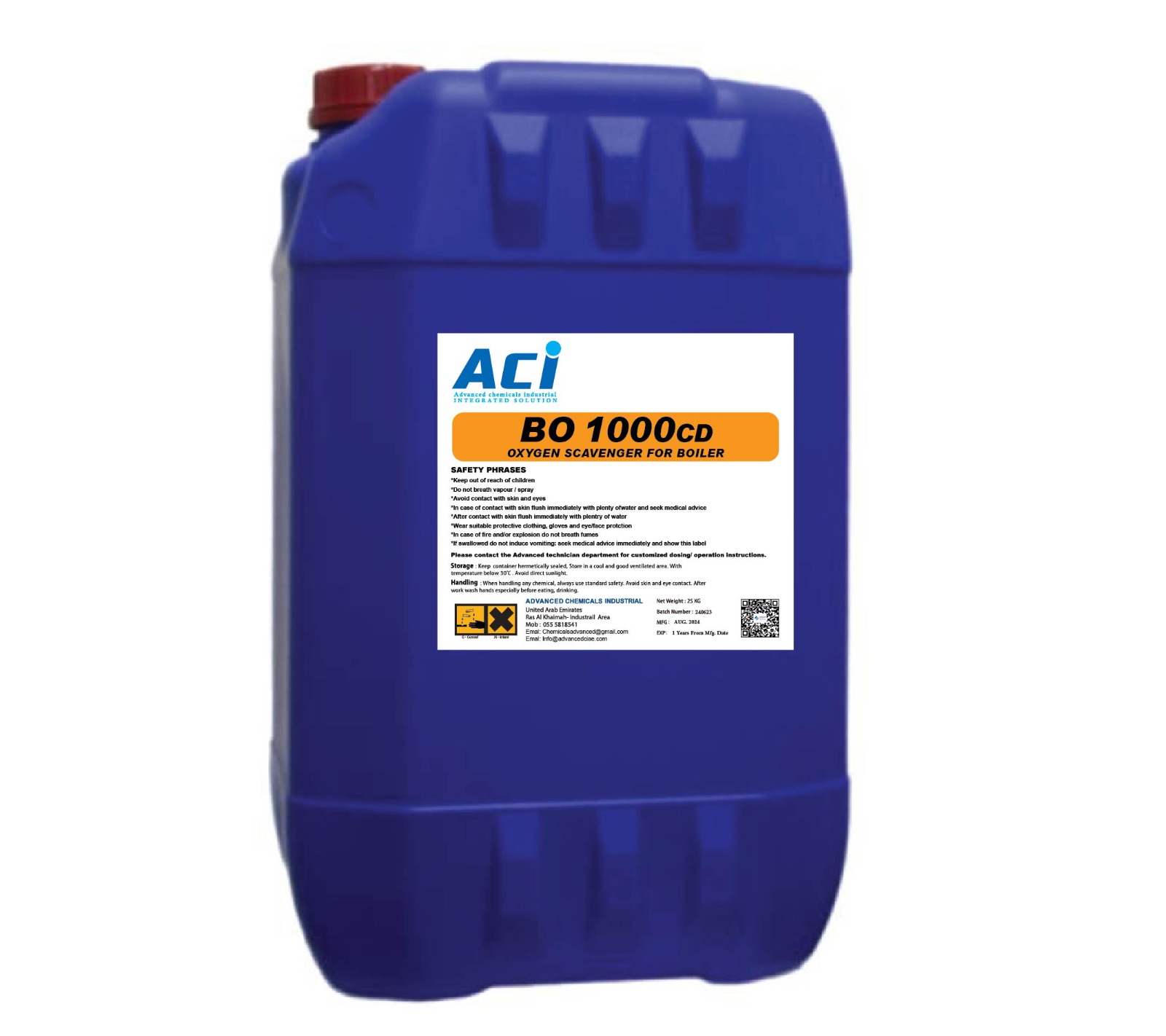
BO 1000 CD Boiler Oxygen Scavenger (DEHA)
DEHA based oxygen scavenger that helps control dissolved oxygen and minimise corrosion in boiler feedwater and condensate systems.
Boiler water chemicals
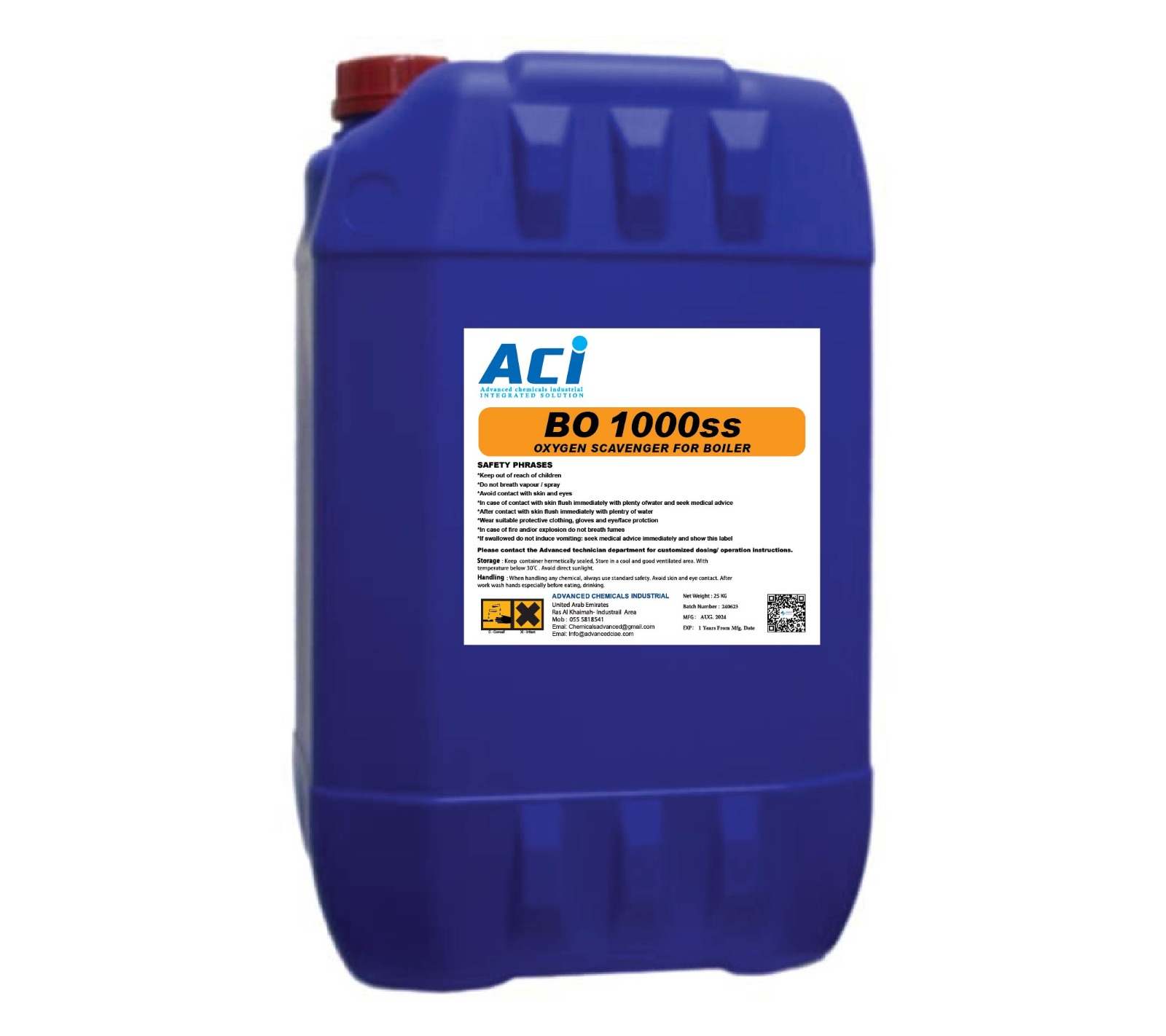
BO 1000 SS Boiler Oxygen Scavenger (Sodium Bisulfite)
Sodium bisulfite based treatment that helps remove dissolved oxygen from boiler feedwater and reduce the risk of oxygen-related corrosion.
Boiler water chemicals
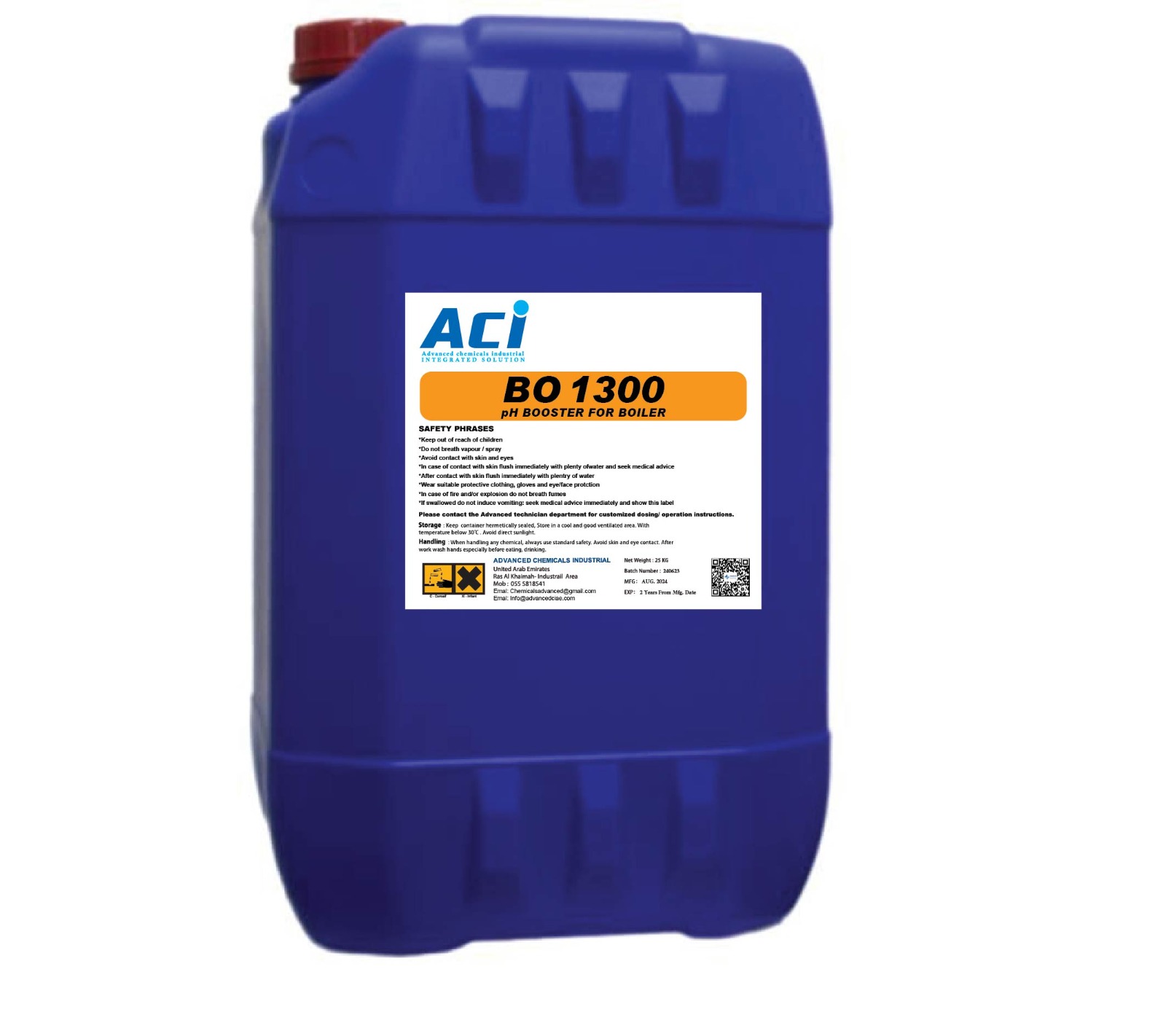
BO 1300 Boiler pH Booster
Boiler water treatment that helps maintain the boiler water pH and supports corrosion control in industrial and commercial boilers.
Boiler water chemicals
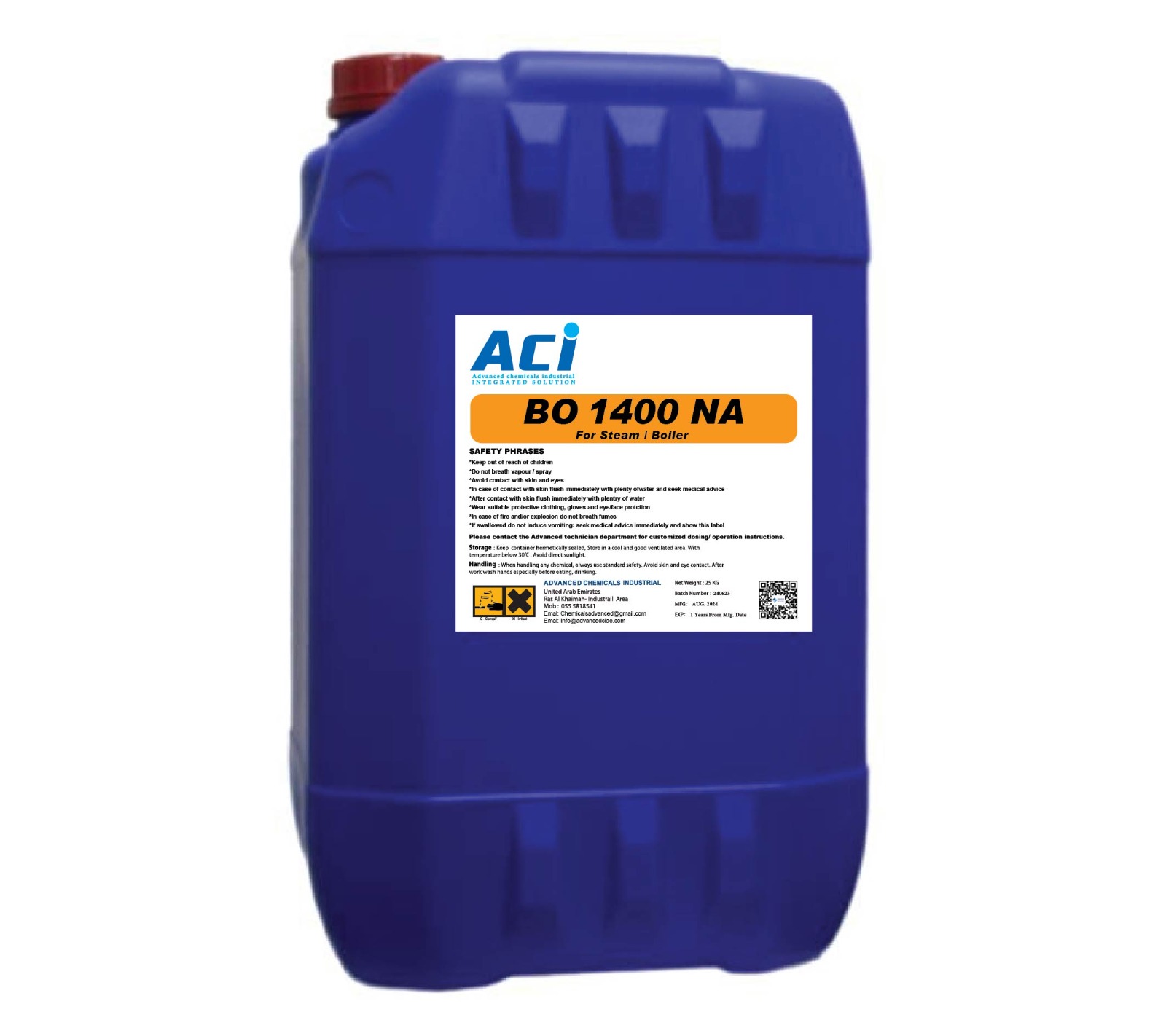
BO 1400 NA Steam and Boiler Treatment
Treatment for steam and boiler systems, as named on the product label.
Antiscalants
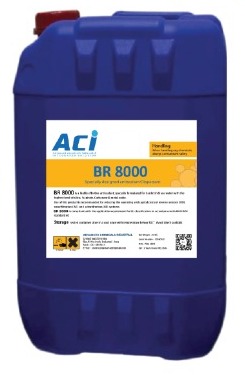
BR8000 Reverse Osmosis Antiscalant
Antiscalant for seawater and brackish water reverse osmosis, for controlling carbonate, sulphate, metal oxide and silica scale.
Related problems
What causes scale and deposits in boilers?
Boiler scale forms when hardness, silica and iron deposit on heated surfaces. Learn the effects, causes, the checks to run and the scale and corrosion inhibitor approach.
How does dissolved oxygen corrode boilers and how do you stop it?
Dissolved oxygen in boiler feedwater causes pitting of feed lines, economisers and boiler surfaces. Learn the signs, checks and the oxygen scavenger approach.
What causes condensate line corrosion in steam systems?
Condensate lines corrode from carbonic acid and dissolved oxygen. See the signs, the checks to run and the neutralizing amine approach for steam and condensate.
What causes scale in cooling towers and how do you stop it?
Cooling tower scale forms when evaporation concentrates hardness and alkalinity beyond their solubility. See the signs, causes, checks and the scale inhibitor approach.
Let's discuss your water system.
Share the application and operating context to start a technical review.