
Water treatment applications
Find treatment guidance by application: cooling towers, closed chilled-water loops, steam boilers, boiler feedwater and condensate, and brackish or seawater RO.
 Illustration
An application is the system you are treating. Each application page explains how that system works, the problems that typically develop in it, what to monitor and which product categories relate to it.
Choose the application closest to your plant. If your system combines several, such as a boiler with a cooling tower, treat each circuit on its own page and ask our technical team to review them together.
Every application page links to the problems that develop in that system and to the solutions and product categories used to address them, so you can move from the system to the symptom to the treatment approach.
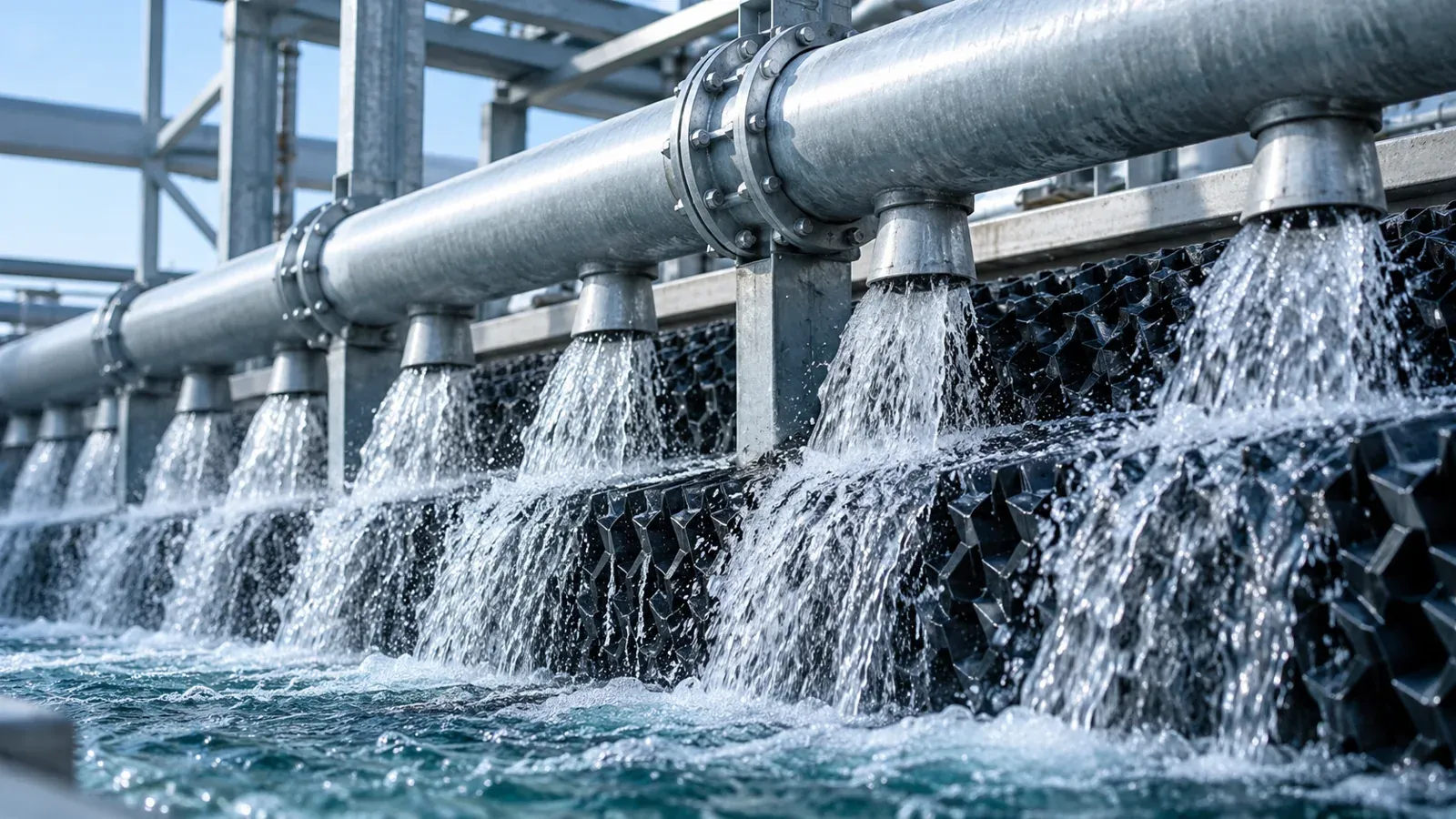
Cooling Towers
Open recirculating cooling towers reject heat by evaporation, which concentrates the water. Scale, corrosion and biological growth are the three risks to manage.
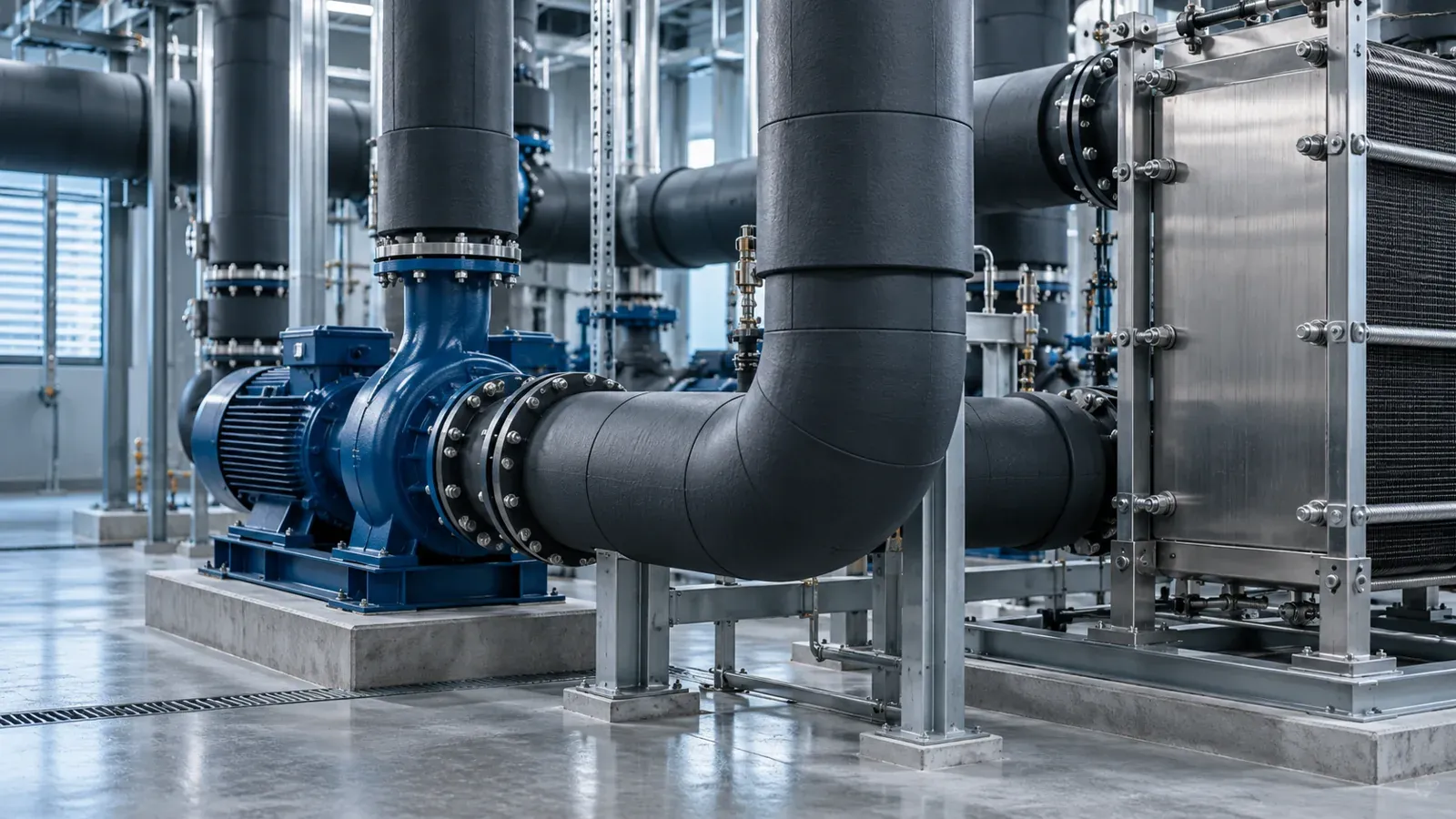
Closed-Loop Chilled Water
Closed chilled-water loops carry cooling through a building or plant in a sealed circuit. Corrosion and deposits are the main risks, and a sealed loop depends on a stable inhibitor residual.
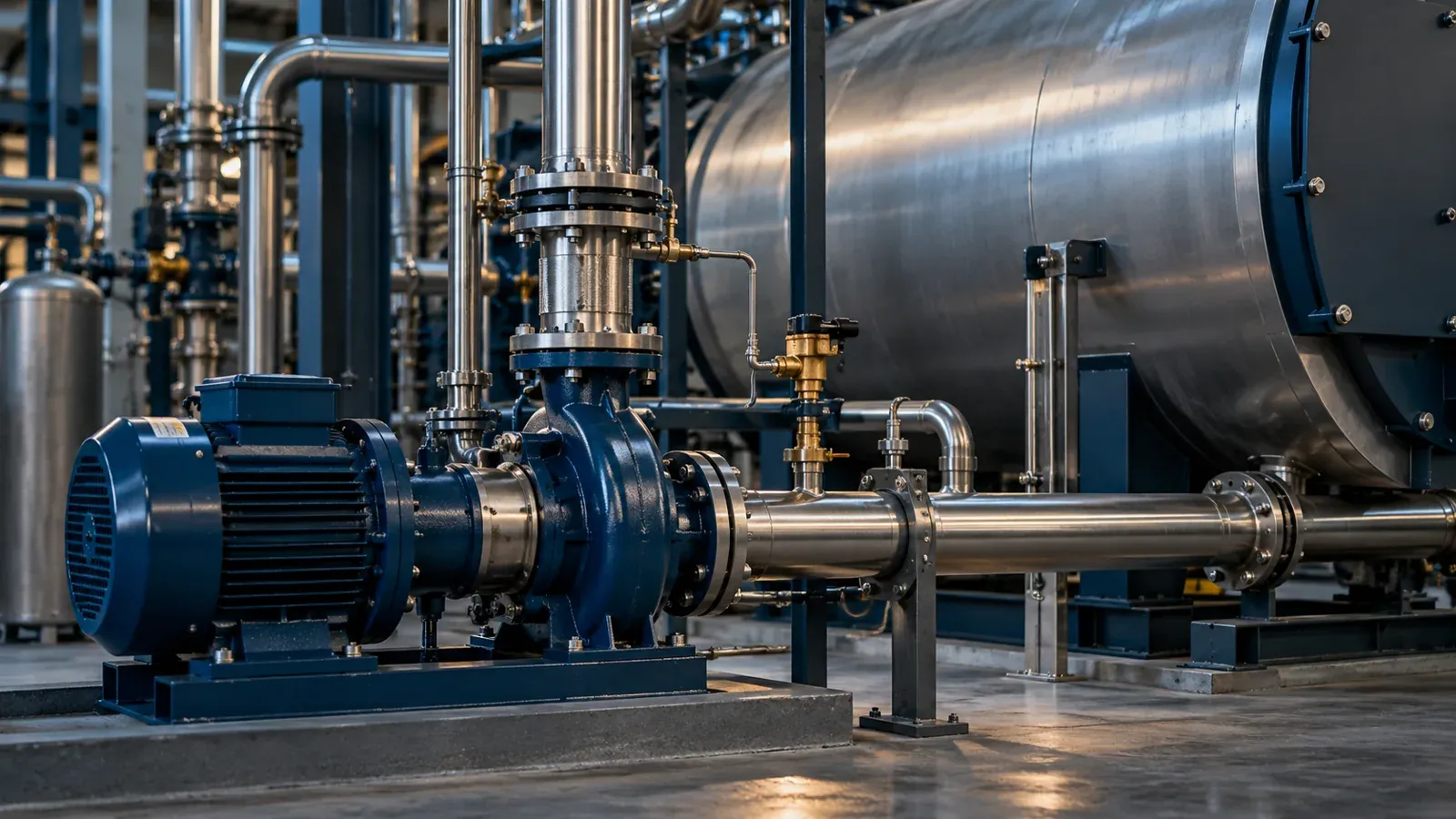
Steam Boilers
Steam boilers concentrate dissolved solids as they raise steam. Scale and corrosion inside the boiler are the main risks, and they are managed through water chemistry, blowdown and monitoring.
Boiler Feedwater and Condensate
Feedwater and condensate lines carry the water to and from the boiler. Dissolved oxygen and carbon dioxide are the main corrosion drivers, and they are controlled with oxygen removal and pH management.
Brackish Water RO
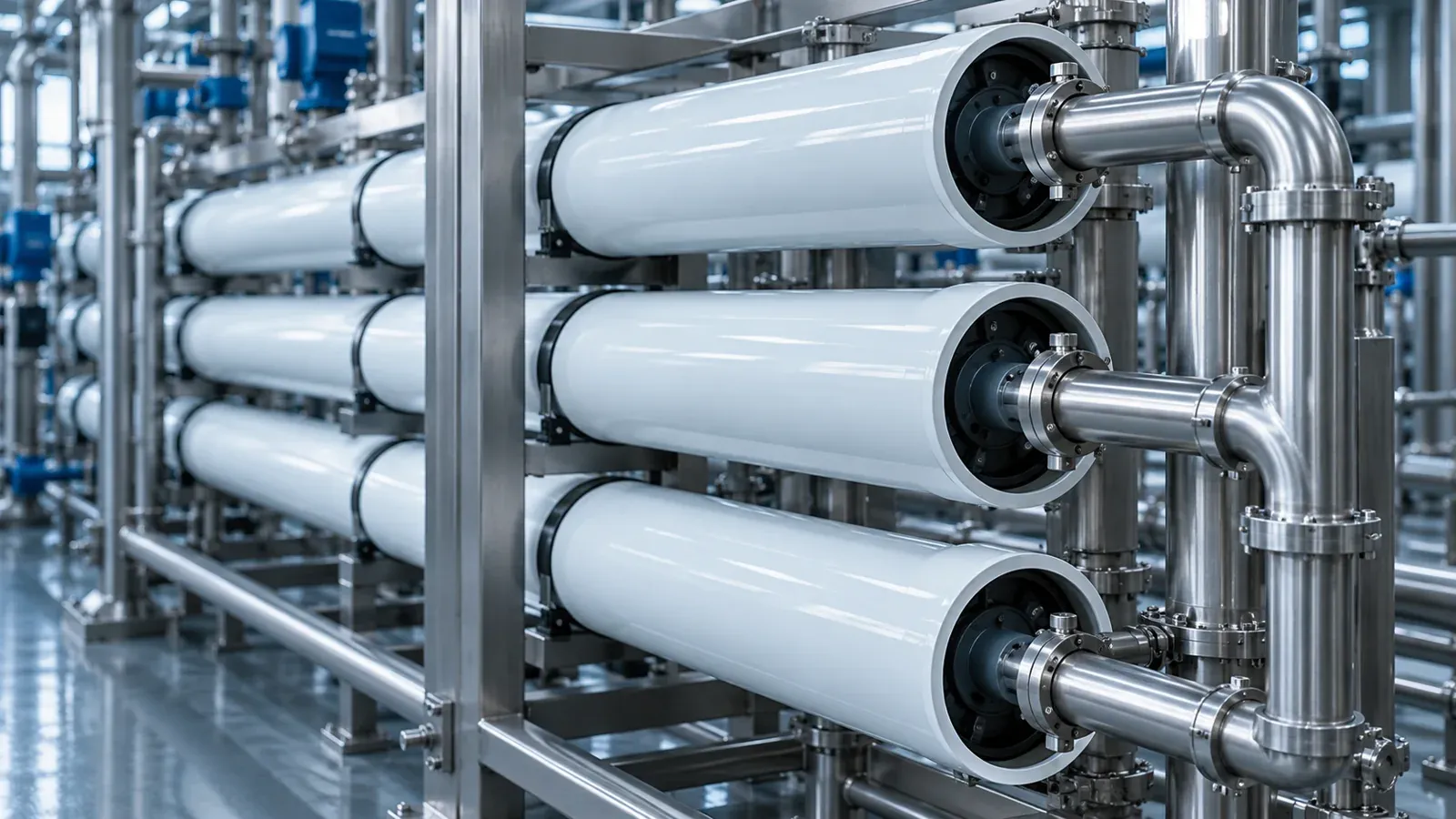
Brackish water RO removes dissolved salts from water of moderate salinity. Scaling, fouling and biofouling of the membranes are the main risks, and they show up first as differential pressure and output.
Seawater RO
Seawater RO produces fresh water from sea water through high-pressure membranes. High salinity, marine biology and scaling tendency make pretreatment and antiscalant control central.
Let's discuss your water system.
Share the application and operating context to start a technical review.