
What causes scale and deposits in boilers?
Boiler scale forms when hardness, silica and iron deposit on heated surfaces. Learn the effects, causes, the checks to run and the scale and corrosion inhibitor approach.
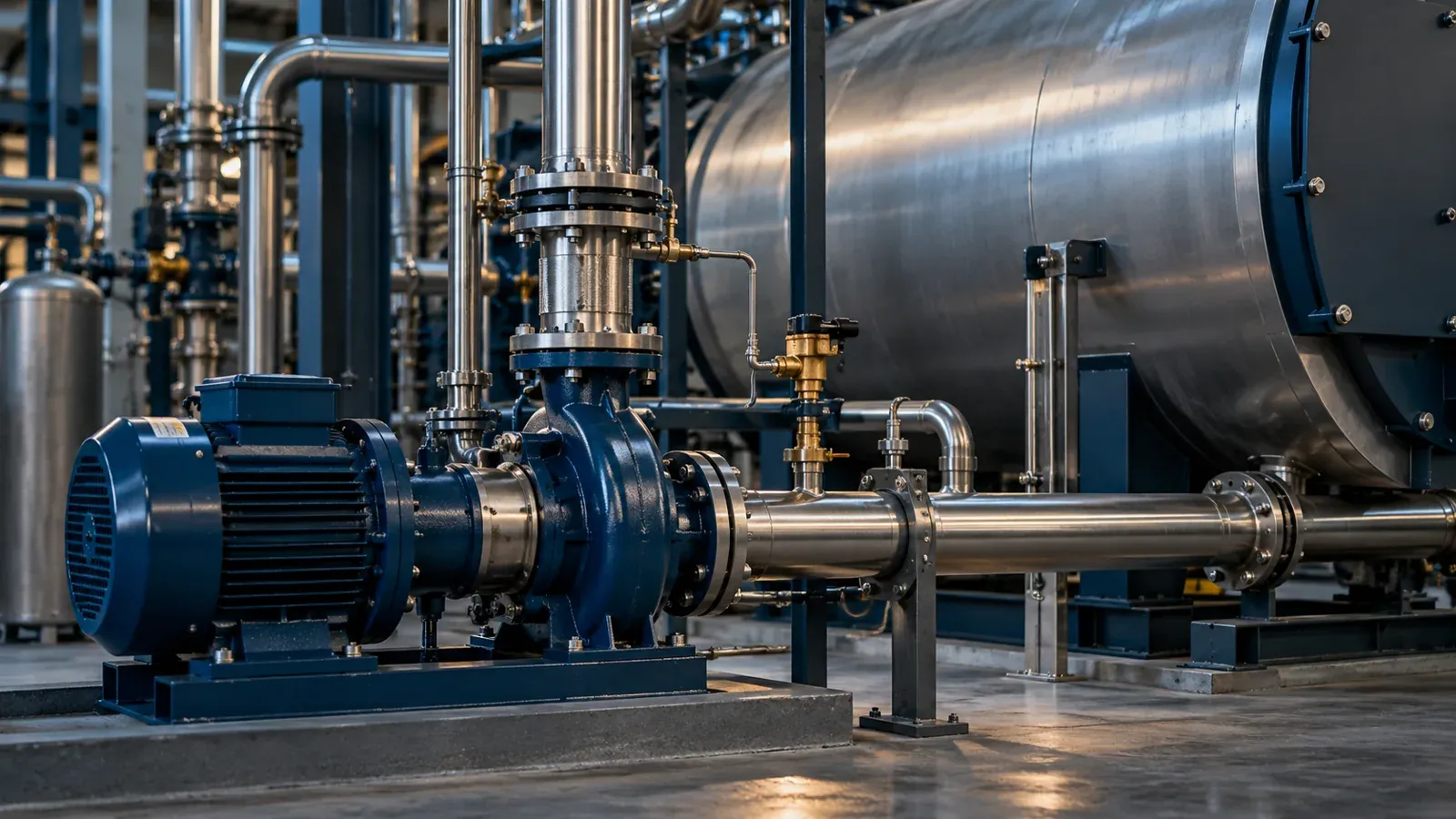 Illustration
On this page (12)
Overview
Boiler scale forms when hardness salts, silica, iron and other contaminants in the feedwater deposit on heated tube surfaces as water evaporates. Scale insulates the tube, causing overheating, higher fuel use and tube failure. Control relies on feedwater softening or demineralisation, a scale and corrosion inhibitor, correct blowdown, and regular boiler water and feedwater analysis.
How does scale form in a boiler?
As steam is generated, dissolved solids stay in the boiler water and concentrate. Hardness salts such as calcium and magnesium become less soluble at high temperature and deposit on the hottest surfaces. Silica can form hard, glassy scale, and iron and copper carried from the feed line or condensate add to the deposit.
Why is scale dangerous?
Scale conducts heat poorly. A thin layer raises the fuel needed for the same steam output, and a thicker layer lets the metal beneath overheat. That can lead to tube blistering, rupture and unplanned outages. Deposits also create sites where concentrated chemicals attack the metal.
What decides how much scale forms?
The quality of the feedwater, the effectiveness of the pre-treatment, the boiler operating pressure, the chemical programme and the blowdown control together decide the outcome. A fault in any one of them is enough to start deposition.
How do deposits differ by boiler type?
Fire-tube boilers tend to collect hardness scale on the fire side tubes and shell, while water-tube boilers at higher pressure are more sensitive to silica and iron, which form dense deposits on the hottest tubes. The boiler type and operating pressure therefore influence both the risk and the choice of treatment.
Frequently asked questions
What causes scale in boilers?
Hardness salts and silica carried in with feedwater lose solubility as the water heats and concentrates, and bake onto hot heat-transfer surfaces. Poor feedwater softening, high concentration without enough blowdown, and metal oxides from corroding condensate lines all add to deposits that insulate the tubes and cause overheating.
Why is boiler water conductivity monitored?
Conductivity tracks the dissolved solids that build up as steam leaves and feedwater replaces it. It guides blowdown: too high invites scale, foaming and carryover into the steam, too low wastes heat and treated water. It is read together with pH and the treatment residuals.
Symptoms
Scale shows itself through performance data and through inspection:
- Rising fuel consumption for the same steam output, or a higher stack temperature.
- Tube overheating, bulging or failures in water-tube and fire-tube boilers.
- Reduced steam quality or carryover alongside heavy deposits.
- Hard white, grey or brown deposits found at inspection or cleaning.
- Hardness or iron detected in the feedwater or in the condensate returned to the boiler.
Deposits are often patchy, concentrated where heat flux is highest.
Deposits frequently show themselves first as a drift in efficiency. Gradually increasing fuel use at stable load, or a rising flue gas temperature, deserves attention even if no tube failure has occurred yet.
Frequent changes in the blowdown need, or a boiler water conductivity that is hard to hold, can also indicate that contaminants are entering with the feed.
Cause
Deposition has several common causes:
- Hardness breakthrough from a softener that is exhausted, mis-regenerated or bypassed.
- High silica or other dissolved solids in the make-up water that the pre-treatment does not remove.
- Iron and copper carried back with condensate from corroding lines.
- Insufficient or unsuitable internal treatment, or a scale inhibitor feed that is interrupted.
- Inadequate blowdown, so the boiler water concentrates beyond what the programme can hold.
- Low or unstable boiler water alkalinity, which reduces the effect of the chemical programme.
Condensate corrosion and boiler scale are often connected, since corrosion products are a major source of iron deposits.
Maintenance gaps matter too. Softener salt supply, regeneration settings, and the condition of the resin are common weak points, and a short lapse can pass hardness to the boiler for days before it is noticed.
Approach in steps
Diagnosis
Diagnosis compares feedwater, boiler water and operating practice.
- Test the feedwater for hardness, iron, silica, pH and conductivity, and confirm that the softener or pre-treatment is working.
- Test boiler water for pH, alkalinity, conductivity and the residual of the scale inhibitor.
- Review blowdown practice and conductivity control against the intended range.
- Inspect the boiler during an outage for deposit location, appearance and thickness, and analyse a deposit sample.
- Check the condensate return for iron and copper as signs of corrosion upstream.
The deposit analysis shows whether the problem is hardness, silica, iron or a mix, which guides both the chemical choice and the correction of the pre-treatment.
Keep logs of feedwater hardness, boiler water results and chemical consumption, since a trend in these records usually shows the problem before the inspection does.
Treatment approach
Treatment prevents deposits and keeps the boiler surfaces clean.
- Scale and corrosion inhibitor: a boiler scale and corrosion inhibitor fed continuously with a chemical metering pump keeps contaminants dispersed so that they leave with the blowdown.
- pH adjustment: a boiler pH booster maintains the alkalinity range in which the programme works.
- Pre-treatment and feedwater: softening or demineralisation is kept effective and verified by regular testing.
- Blowdown: control is set against conductivity to remove the concentrated solids.
The treatment rate is set by our technical team from the water analysis and operating conditions, and it is monitored with pH, conductivity and residual tests.
Results are reviewed regularly, and the programme is adjusted when the make-up water, the condensate return or the steam demand changes.
Send your operating data and a recent water analysis to our technical team for a technical review.
Related solutions
Programs
Boiler Water Treatment for Low and Medium Pressure Boilers
Oxygen control in feedwater, pH control in the boiler, internal scale and corrosion inhibition, and neutralizing amines to protect condensate lines.
Related products
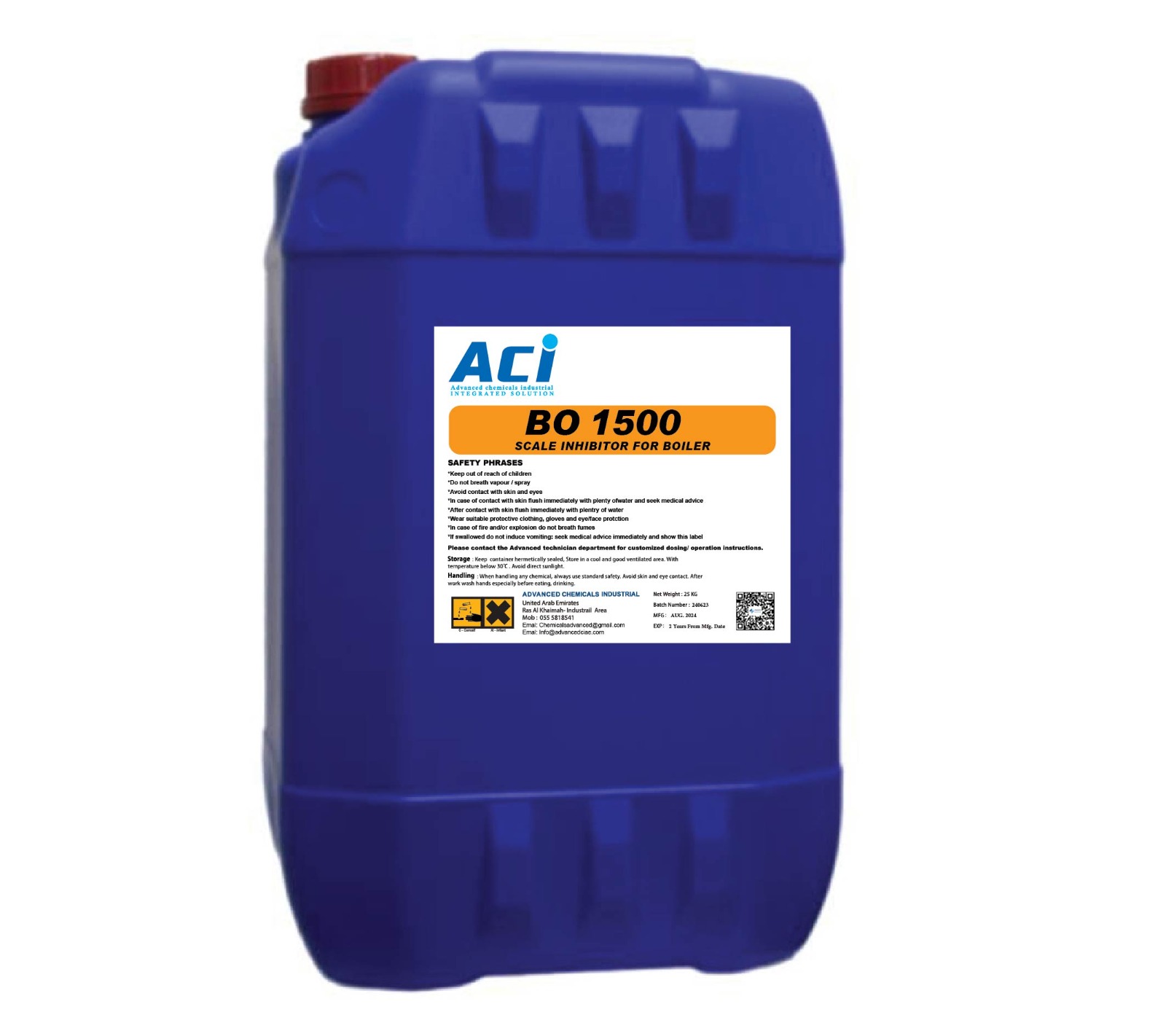
Boiler water chemicals
BO 1500 Boiler Scale and Corrosion Inhibitor
Treatment that helps control scale formation and corrosion in industrial and commercial boiler systems.
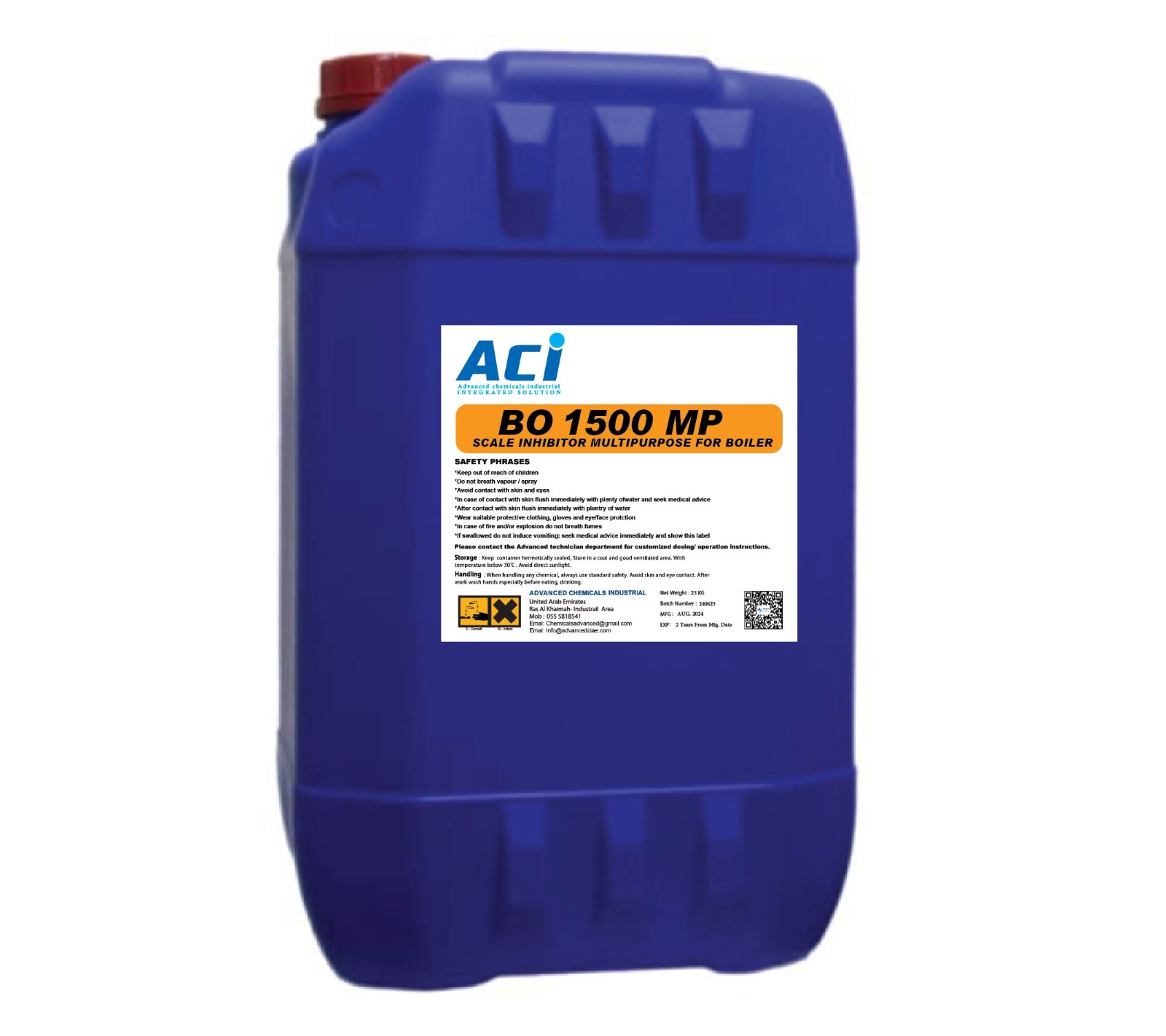
Boiler water chemicals
BO 1500 MP Neutralizing Amine for Steam and Condensate Systems
Neutralizing amine treatment that helps control acidic condensate corrosion in steam and condensate return systems.
Let's discuss your water system.
Share the application and operating context to start a technical review.