
Industries
Industrial Contractors
Industrial contractors build and maintain plants, RO packages, boilers and cooling systems for operators. This page outlines the typical concerns on the water side.
On this page (6)
Overview
Industrial contractors build, upgrade and maintain plants on behalf of operators. Water appears throughout: utility cooling, steam raising, RO packages and effluent handling. The contractor often stands between the equipment supplier and the operator who will live with the result. This page gives a general overview of concerns typical of the sector. It is not a statement of past work in the sector.
Which water systems do industrial contractors typically deal with?
RO packages and their pretreatment, installed and commissioned before they hand over to operations. Steam boilers with feedwater, deaeration and condensate systems. Cooling towers and recirculating circuits serving process equipment. Effluent collection and treatment skids. These systems arrive from different suppliers and have to work together on site.
What typically goes wrong?
- RO packages started without a clear pretreatment and cleaning plan, so membranes foul early.
- Boilers brought into service without a chemical treatment program, so deposits and corrosion begin quickly.
- Cooling circuits filled and run without inhibition or biological control.
- Interfaces between suppliers where nobody owns the water chemistry.
- Handover to operators who lack a record of start-up conditions and treatment choices.
What do decision makers in the sector care about?
Project and commissioning managers care about schedule, scope clarity and a clean handover. They want equipment suppliers and chemical suppliers who answer technical questions quickly and in writing, and who understand the start-up sequence. Operators who inherit the plant care about reliable first operation and about records they can use. Procurement cares about clear scope and traceable documentation.
How does a problem-led approach help?
A problem-led approach turns start-up risks into checks: what could foul or scale this membrane, what protects this boiler on first firing, what controls growth in this tower. Our technical team can review the system description and a water analysis, discuss the chemical categories relevant to each system and the monitoring to put in place, and supply data and product samples for the project file.
Challenges
These challenges are typical of the sector in general and do not describe our own experience in it.
- Multiple equipment suppliers whose scopes meet at the water interface.
- Start-up dates that leave little time for membrane preservation, boiler boil-out or loop cleaning.
- Make-up and feed water that differs from the design assumption.
- Operators who need training and records at handover.
- Spares and chemical supply that must be arranged before commissioning, not after.
- Changes late in the project that move water treatment from the design basis to the site.
Sending the system description and any water analysis to our technical team is a practical way to begin.
Related solutions
RO Systems: Supply, Installation, Commissioning and Maintenance
Reverse osmosis systems supplied with installation, commissioning and maintenance, matched to the feed water and the water quality the process requires.
RO System Installation and Commissioning
How an RO system moves from delivery to stable operation: installation, pre-start checks, commissioning and the baseline record that later performance is judged against.
Boiler Water Treatment for Low and Medium Pressure Boilers
Oxygen control in feedwater, pH control in the boiler, internal scale and corrosion inhibition, and neutralizing amines to protect condensate lines.
Cooling Water Treatment for Open Recirculating Cooling Towers
Scale, corrosion and biological control for open recirculating cooling towers, with monitoring and blowdown management built into the program.
RO Chemicals: Antiscalants, Membrane Cleaners and Disinfectant
A treatment program for seawater and brackish RO plants: antiscalants to control scale, membrane cleaners to restore performance, and a disinfectant to limit biological growth.
Related applications
Brackish Water RO
Brackish water RO removes dissolved salts from water of moderate salinity. Scaling, fouling and biofouling of the membranes are the main risks, and they show up first as differential pressure and output.
Seawater RO
Seawater RO produces fresh water from sea water through high-pressure membranes. High salinity, marine biology and scaling tendency make pretreatment and antiscalant control central.
Steam Boilers
Steam boilers concentrate dissolved solids as they raise steam. Scale and corrosion inside the boiler are the main risks, and they are managed through water chemistry, blowdown and monitoring.
Cooling Towers
Open recirculating cooling towers reject heat by evaporation, which concentrates the water. Scale, corrosion and biological growth are the three risks to manage.
Related products
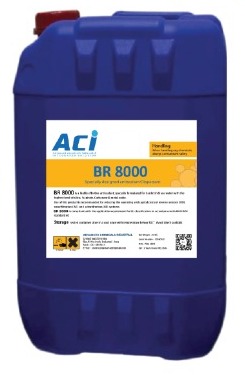
Antiscalants
BR8000 Reverse Osmosis Antiscalant
Antiscalant for seawater and brackish water reverse osmosis, for controlling carbonate, sulphate, metal oxide and silica scale.
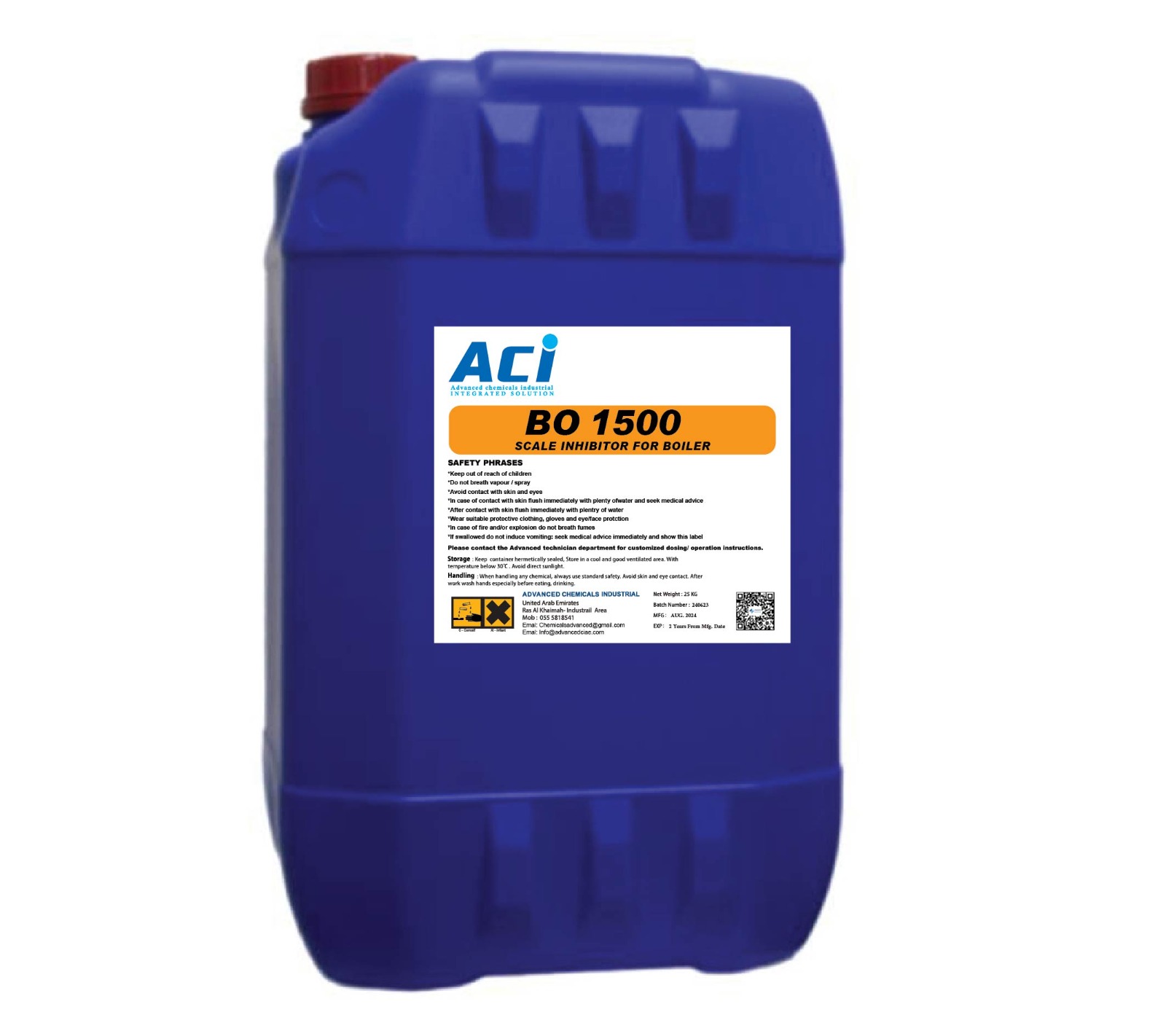
Boiler water chemicals
BO 1500 Boiler Scale and Corrosion Inhibitor
Treatment that helps control scale formation and corrosion in industrial and commercial boiler systems.
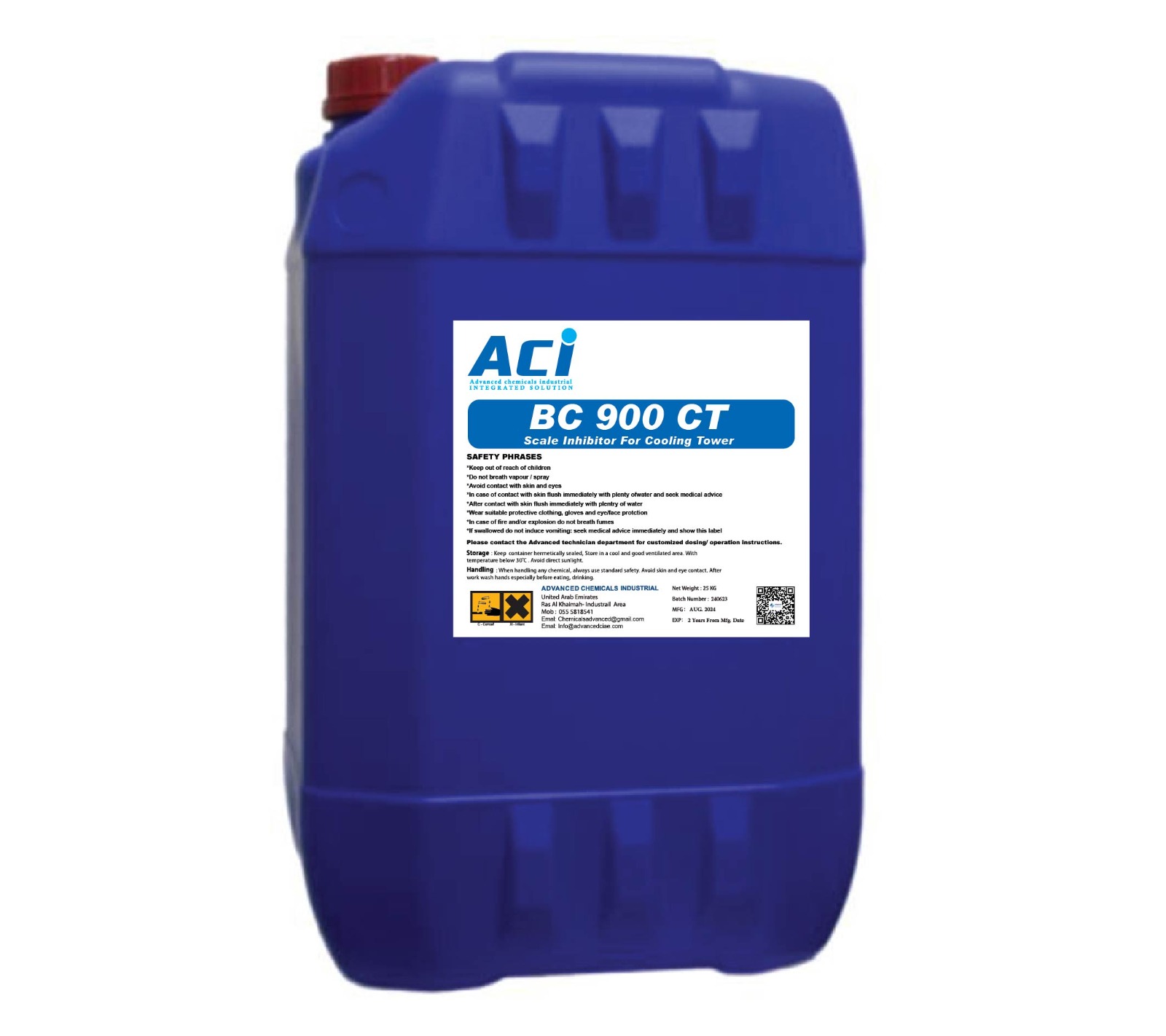
Cooling water chemicals
BC 900 CT Cooling Tower Scale and Corrosion Inhibitor
Zinc chloride based treatment that helps control corrosion and scale formation in open recirculating cooling water systems and cooling towers.
Related problems
What causes RO membrane scaling and how is it controlled?
RO membrane scaling is the crystallisation of sparingly soluble salts on the membrane as the concentrate becomes saturated. See the signs, causes, checks and the treatment approach.
Why is RO differential pressure increasing?
A rising differential pressure across an RO system points to restricted feed channels. Learn how to tell fouling, scaling and pre-treatment problems apart before cleaning.
What causes scale and deposits in boilers?
Boiler scale forms when hardness, silica and iron deposit on heated surfaces. Learn the effects, causes, the checks to run and the scale and corrosion inhibitor approach.
Let's discuss your water system.
Share the application and operating context to start a technical review.