
Industries
MEP Contractors
MEP contractors install and commission the chilled-water, cooling and heating systems that need water treatment from the first fill. This page outlines the typical concerns.
On this page (6)
Overview
Mechanical, electrical and plumbing contractors build the water side of a building: chilled-water loops, condenser water circuits, cooling towers and heating systems. The first fill and the weeks that follow shape how the system ages. This page gives a general overview of the concerns typical of the sector. It is not a statement of past work in the sector.
Which water systems do MEP contractors typically deal with?
Closed chilled-water and heating loops with pumps, valves, coils and heat exchangers. Open condenser water circuits with cooling towers. Boilers or heat exchange sets for heating and hot water. Each system is flushed, cleaned, filled, balanced and handed over, often within a tight programme and alongside other trades.
What typically goes wrong?
- Construction debris, welding residue and oil left in new pipework, which later blocks strainers and fouls surfaces.
- Filling a loop with untreated water, so corrosion begins before the system is occupied.
- Idle systems standing wet for long periods between installation and handover.
- Cooling towers started without a treatment plan, so scale and biological growth begin early.
- Unclear responsibility at handover, which leaves the owner with a system of unknown condition.
What do decision makers in the sector care about?
Project managers and site engineers care about programme: a commissioning delay holds up handover and payment. They need clear instructions on flushing, cleaning and first fill that fit the project schedule, and documents the client and consultant will accept. Consultants and clients care about the long-term condition of the system and about who is responsible after handover.
How does a problem-led approach help?
A problem-led approach connects site conditions to consequences. Debris and oil in new pipework call for cleaning before inhibition; long idle periods call for lay-up thinking; a tower started in dry conditions needs protection from the first day. Our technical team can review the system description and the make-up water analysis, and discuss cleaning, first-fill treatment and monitoring so that the system reaches handover in a known condition.
Challenges
These challenges are typical of the sector in general and do not describe our own experience in it.
- Tight programmes in which water treatment competes with other commissioning tasks.
- Systems that stand idle between pressure testing and operation.
- Several trades working on one loop, with unclear ownership of cleanliness.
- Specifications that mention treatment briefly and leave detail to the contractor.
- Make-up water of uncertain quality during construction.
- Handover documents that must show what was done to the water side, not only to the equipment.
Sharing the system description and available water analysis with our technical team is the practical first step.
Related solutions
RO System Installation and Commissioning
How an RO system moves from delivery to stable operation: installation, pre-start checks, commissioning and the baseline record that later performance is judged against.
Chilled Water Treatment for Closed-Loop Systems
Nitrite-based corrosion and scale inhibition for closed chilled-water loops, with nitrite residual monitoring and biocides suitable for closed circuits.
Cooling Water Treatment for Open Recirculating Cooling Towers
Scale, corrosion and biological control for open recirculating cooling towers, with monitoring and blowdown management built into the program.
Water Analysis Request
How to send a water analysis, the system type, the capacity and the current problem to our technical team so your case can be reviewed.
Related applications
Closed-Loop Chilled Water
Closed chilled-water loops carry cooling through a building or plant in a sealed circuit. Corrosion and deposits are the main risks, and a sealed loop depends on a stable inhibitor residual.
Cooling Towers
Open recirculating cooling towers reject heat by evaporation, which concentrates the water. Scale, corrosion and biological growth are the three risks to manage.
Related products
Cooling water chemicals
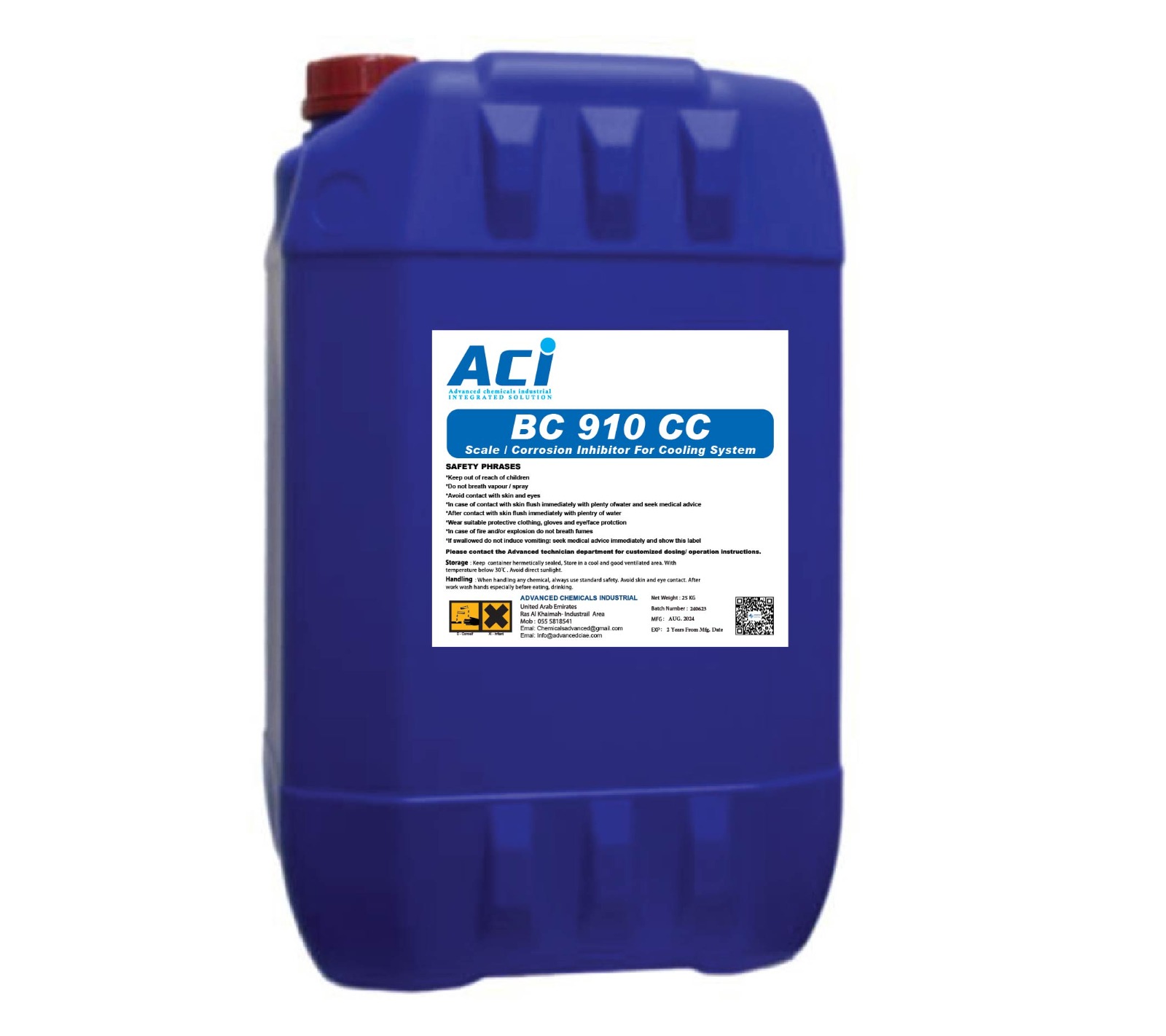
BC 910 CC Closed-Loop Chiller Inhibitor
Nitrite-based corrosion and scale inhibitor for closed-loop chilled water systems.
Cooling water chemicals
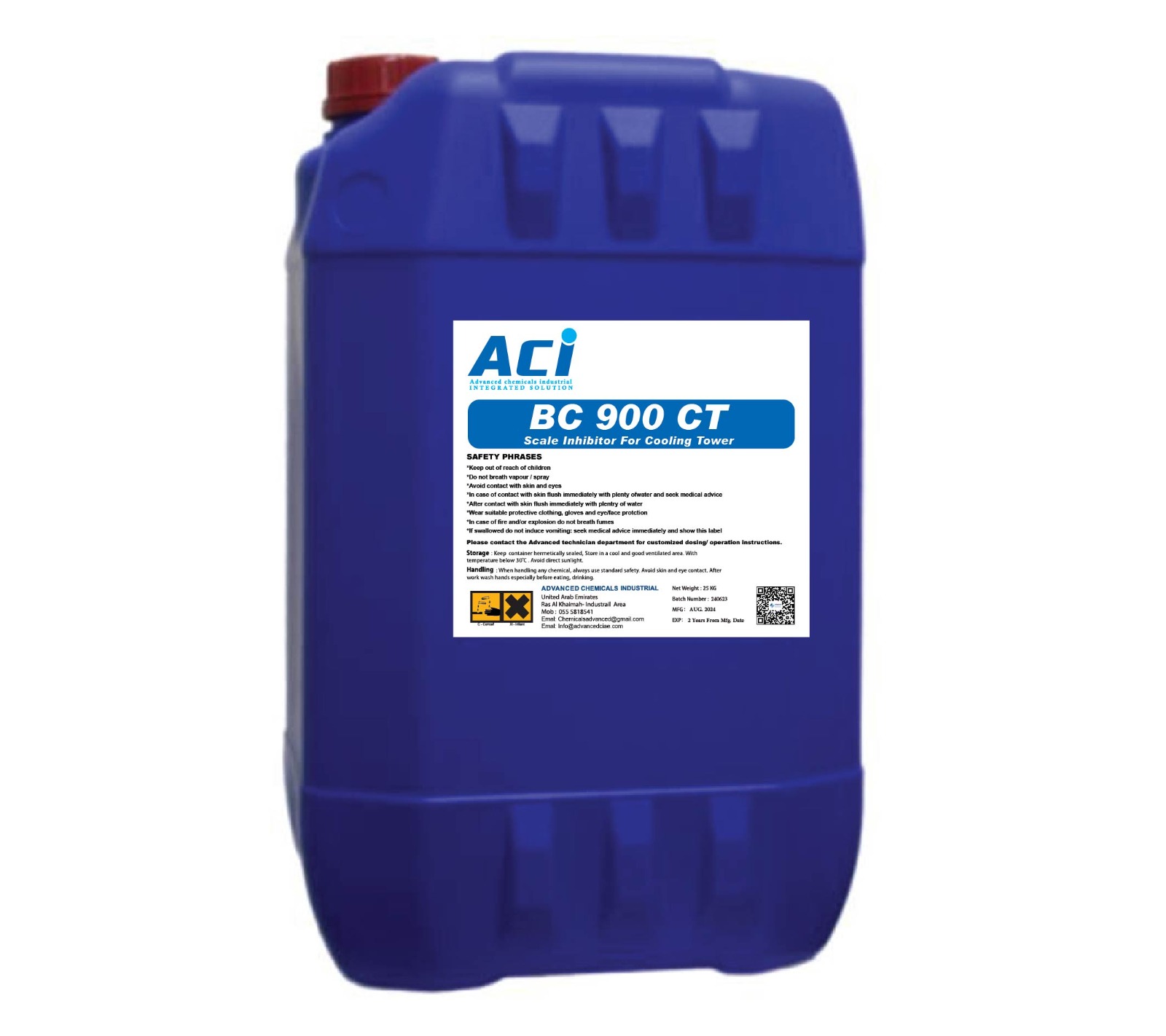
BC 900 CT Cooling Tower Scale and Corrosion Inhibitor
Zinc chloride based treatment that helps control corrosion and scale formation in open recirculating cooling water systems and cooling towers.
Related problems
What causes corrosion in closed-loop chilled water systems?
Closed chilled-water and hot-water loops corrode when oxygen enters, inhibitor residual falls or microbes grow. See the signs, checks and the nitrite inhibitor approach.
What causes scale in cooling towers and how do you stop it?
Cooling tower scale forms when evaporation concentrates hardness and alkalinity beyond their solubility. See the signs, causes, checks and the scale inhibitor approach.
Let's discuss your water system.
Share the application and operating context to start a technical review.