
Industries
Facility Management
Facility management teams look after HVAC water loops, cooling towers and boilers across many buildings. This page outlines the typical systems, problems and decision points.
On this page (6)
Overview
Facility management teams are responsible for the water side of building services across offices, towers, retail and mixed-use properties. The systems are shared, concealed and easy to neglect until a complaint arrives. This page gives a general overview of those systems and their typical problems. It is not a statement of past work in the sector.
Which water systems are typical in managed buildings?
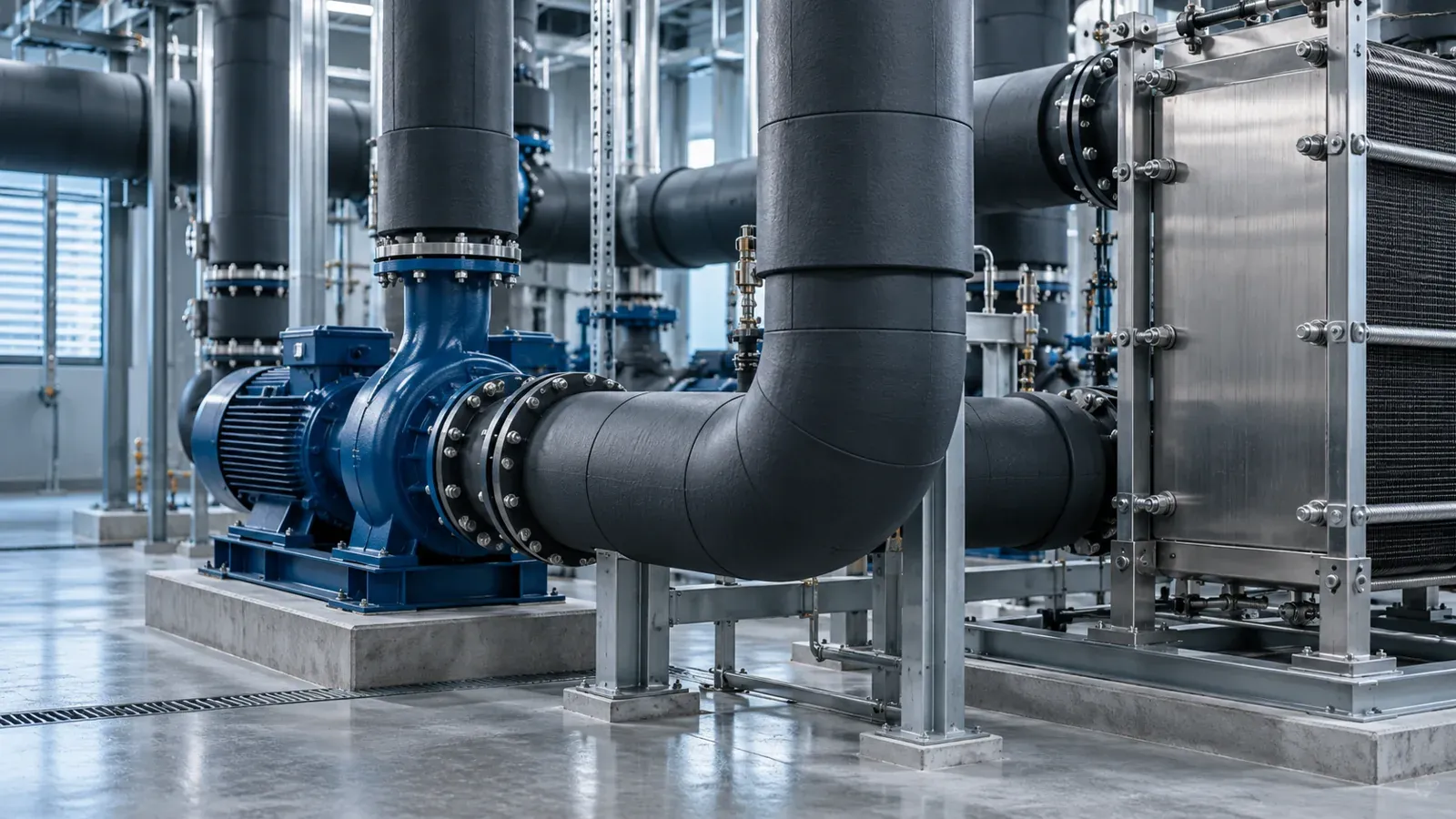
Central chiller plants serve closed chilled-water loops that run through risers to air handlers and fan-coil units. Condenser water leaves through open cooling towers on the roof or in a plant area. Some buildings add boilers or heat-exchange sets for heating and hot water. A portfolio often combines many such plants, each with a different age, layout and make-up water.
What typically goes wrong?
- Corrosion in closed chilled-water loops, shown by discoloured water, blocked strainers and failing valves.
- Scale on condenser tubes and tower fill, which lifts energy use and loses cooling capacity.
- Biological growth in cooling-tower water, which calls for routine microbiological monitoring.
- Loops that were filled and never reviewed, so inhibitor residual drifts unnoticed.
- Inconsistent records between sites, which makes recurring problems hard to see.
What do decision makers in the sector care about?
Facility managers care about tenant comfort, uptime of building services and cost predictability across the portfolio. They need maintenance routines that can be repeated site by site, records that stand up to client review, and suppliers who explain findings without jargon. Contractors and consultants working alongside them care about clear specifications and clean handover of systems.
How does a problem-led approach help?
A problem-led approach turns a tenant complaint into a technical question. Warm floors lead to the chiller and loop, a dirty strainer leads to corrosion, and a tower smell leads to biological control. Our technical team sets treatment rates from the water analysis and operating conditions of each plant, and recommends a monitoring routine simple enough to be repeated across sites by the maintenance team.
Challenges
These challenges are typical of facility management in general and do not describe our own experience in the sector.
- Many buildings with different equipment ages, so one treatment idea does not fit all.
- Systems that were commissioned by others, with limited records of the original fill and treatment.
- Outsourced maintenance teams that rotate, which weakens continuity of monitoring.
- Pressure to cut cost while keeping tenant comfort stable.
- Chemical storage and handling in plant rooms that were not designed for it.
- Reporting to clients who expect evidence of condition, not only of activity.
Sending the loop details and a recent water analysis to our technical team is a practical start for a technical review.
Related solutions
Chilled Water Treatment for Closed-Loop Systems
Nitrite-based corrosion and scale inhibition for closed chilled-water loops, with nitrite residual monitoring and biocides suitable for closed circuits.
Cooling Water Treatment for Open Recirculating Cooling Towers
Scale, corrosion and biological control for open recirculating cooling towers, with monitoring and blowdown management built into the program.
Boiler Water Treatment for Low and Medium Pressure Boilers
Oxygen control in feedwater, pH control in the boiler, internal scale and corrosion inhibition, and neutralizing amines to protect condensate lines.
Water Analysis Request
How to send a water analysis, the system type, the capacity and the current problem to our technical team so your case can be reviewed.
RO System Maintenance
What maintenance of an RO system involves: monitoring normalized data, deciding when to clean, replacing consumables and keeping the chemical supply continuous.
Related applications
Closed-Loop Chilled Water
Closed chilled-water loops carry cooling through a building or plant in a sealed circuit. Corrosion and deposits are the main risks, and a sealed loop depends on a stable inhibitor residual.
Cooling Towers
Open recirculating cooling towers reject heat by evaporation, which concentrates the water. Scale, corrosion and biological growth are the three risks to manage.
Related products
Cooling water chemicals
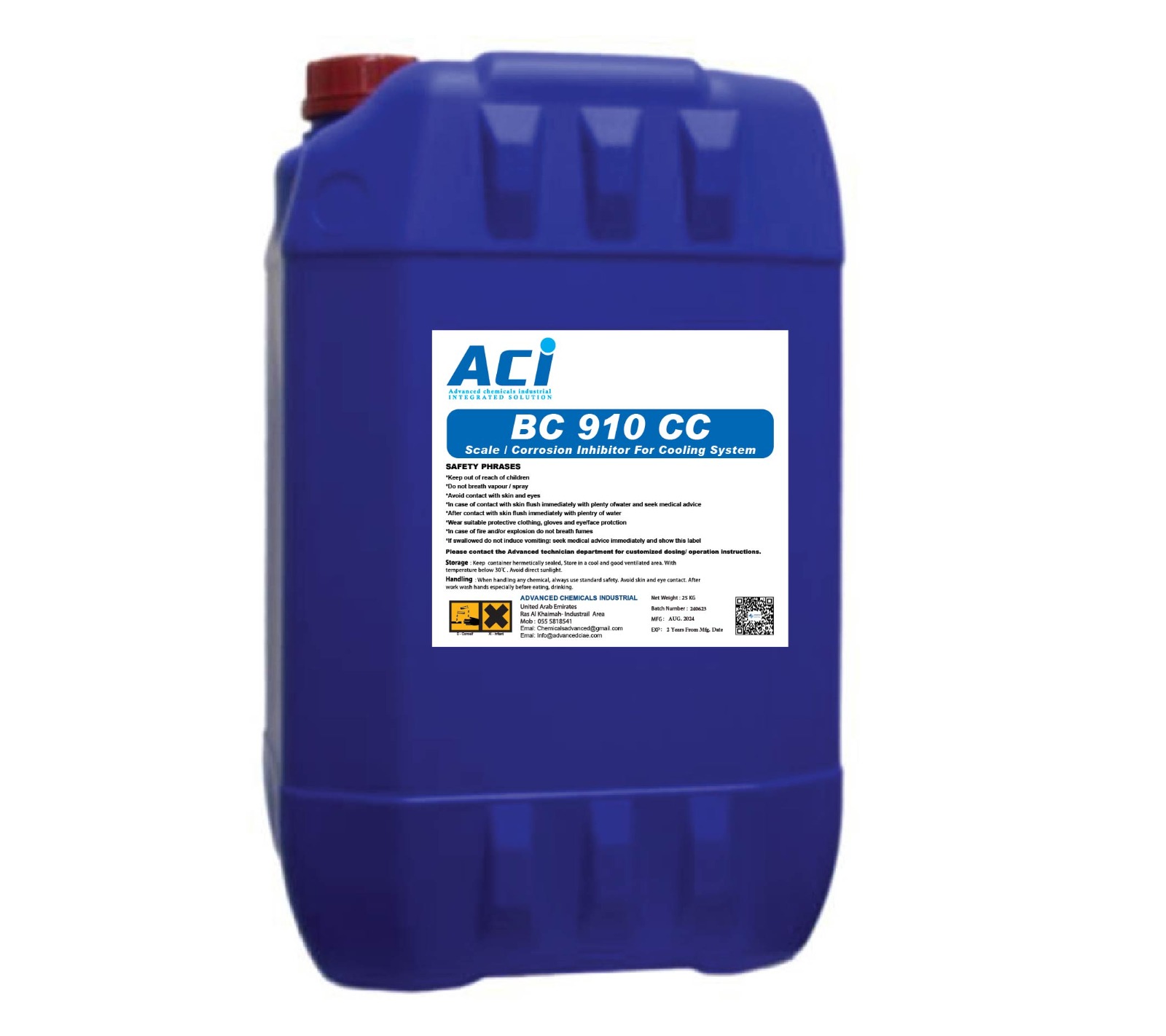
BC 910 CC Closed-Loop Chiller Inhibitor
Nitrite-based corrosion and scale inhibitor for closed-loop chilled water systems.
Cooling water chemicals
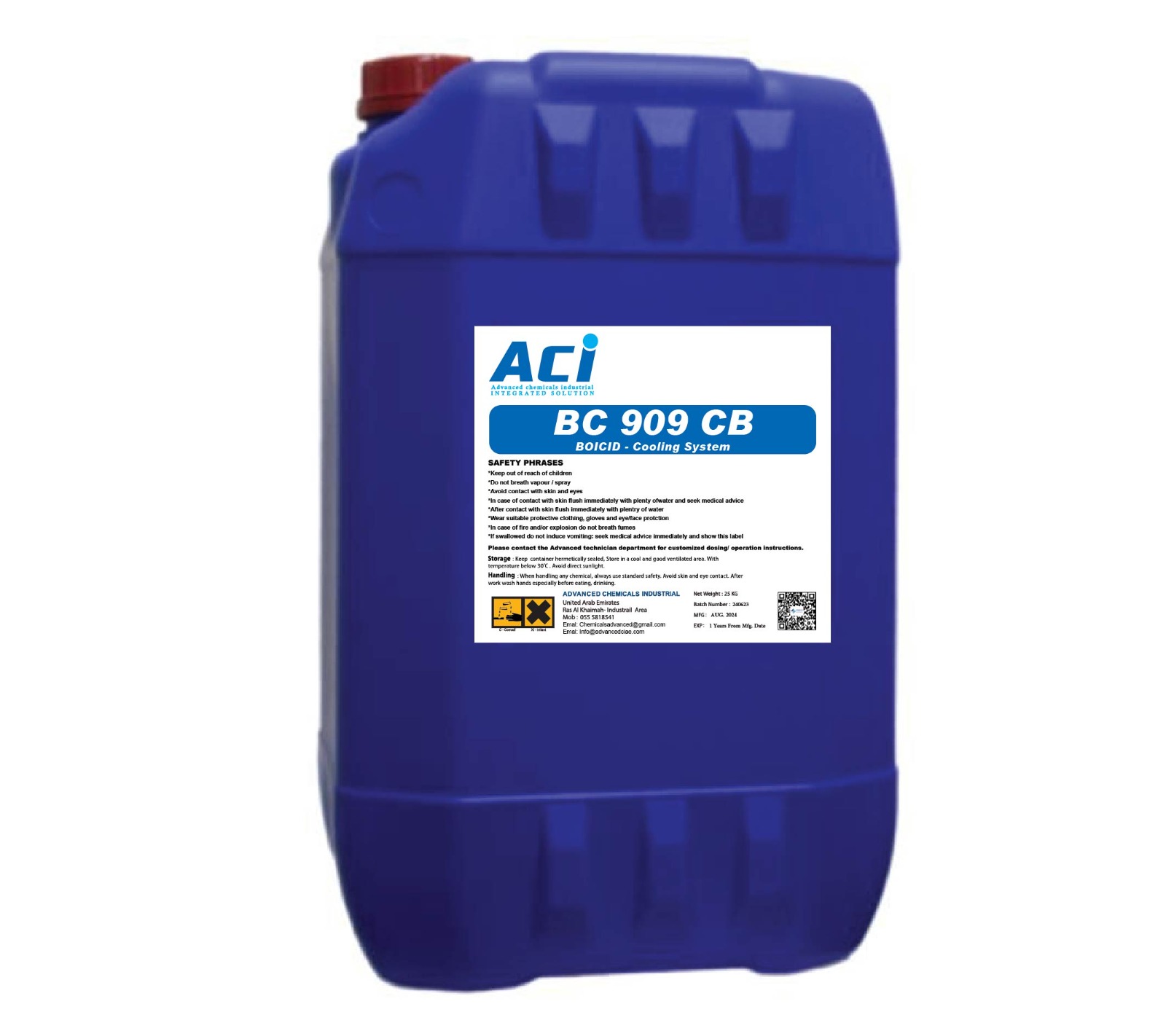
BC 909 CB Cooling System Biocide
CMIT/MIT based biocide that helps control bacteria, algae, fungi and slime in industrial and commercial cooling water systems.
Cooling water chemicals
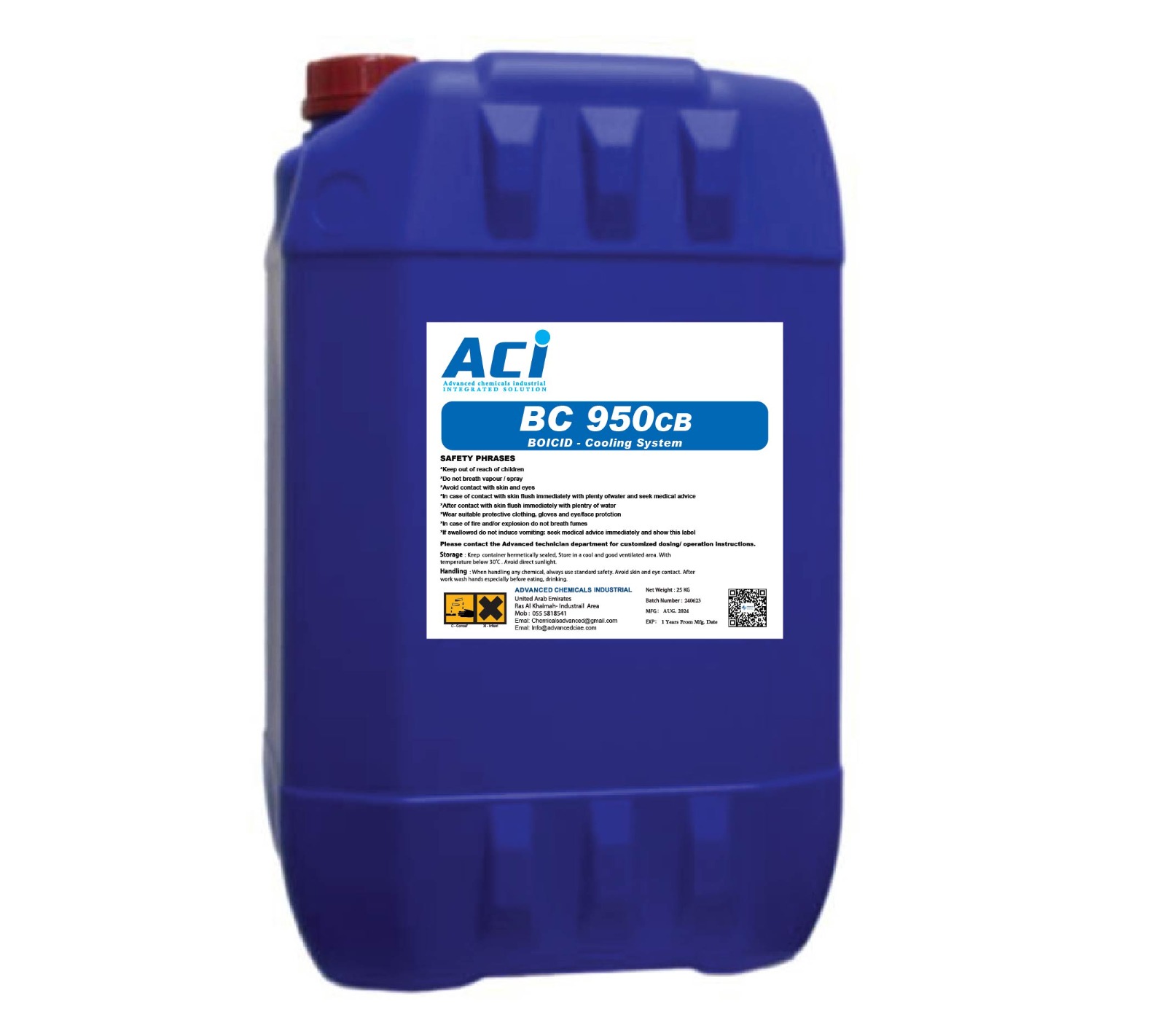
BC 950 CB Cooling System Biocide
Biocide that helps control bacteria, algae, fungi and slime in industrial and commercial cooling water systems.
Cooling water chemicals
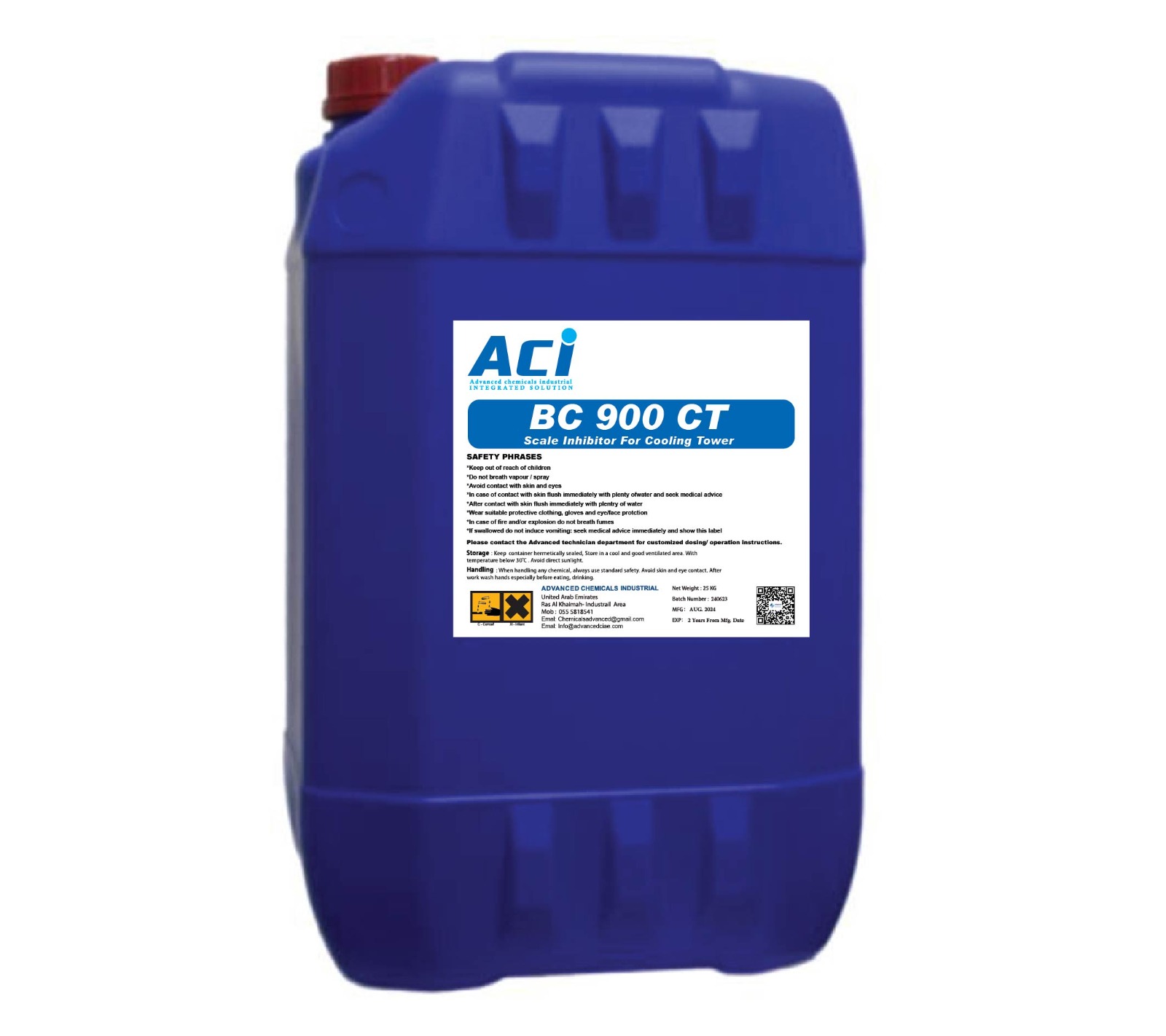
BC 900 CT Cooling Tower Scale and Corrosion Inhibitor
Zinc chloride based treatment that helps control corrosion and scale formation in open recirculating cooling water systems and cooling towers.
Related problems
What causes corrosion in closed-loop chilled water systems?
Closed chilled-water and hot-water loops corrode when oxygen enters, inhibitor residual falls or microbes grow. See the signs, checks and the nitrite inhibitor approach.
How do you control biological growth in cooling water?
Bacteria, algae and biofilm thrive in warm, nutrient-rich cooling water. Learn the signs, causes, microbiological checks and the biocide approach.
What causes scale in cooling towers and how do you stop it?
Cooling tower scale forms when evaporation concentrates hardness and alkalinity beyond their solubility. See the signs, causes, checks and the scale inhibitor approach.
Let's discuss your water system.
Share the application and operating context to start a technical review.