
Water treatment problems and causes
Recognise scaling, fouling, corrosion and biological growth in RO, cooling, chilled-water and boiler systems: symptoms, likely causes, diagnosis and treatment approach.
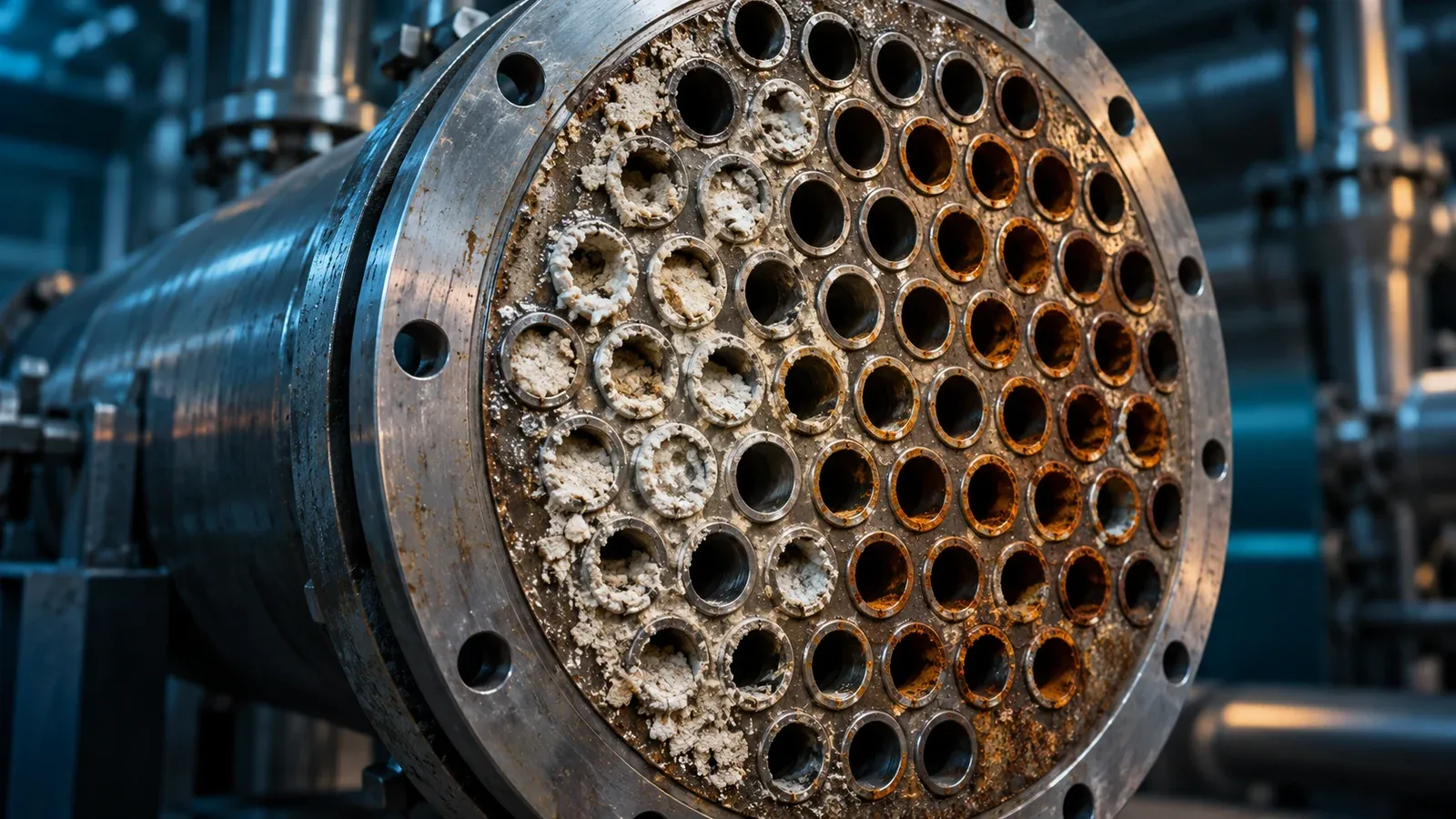 Illustration
How each problem page is organised
Symptoms
The symptoms you can observe.
Cause
The cause behind them.
Diagnosis
How to diagnose the problem with the right checks.
Treatment approach
How treatment is approached, including what to monitor afterwards.
Problems
 Illustration
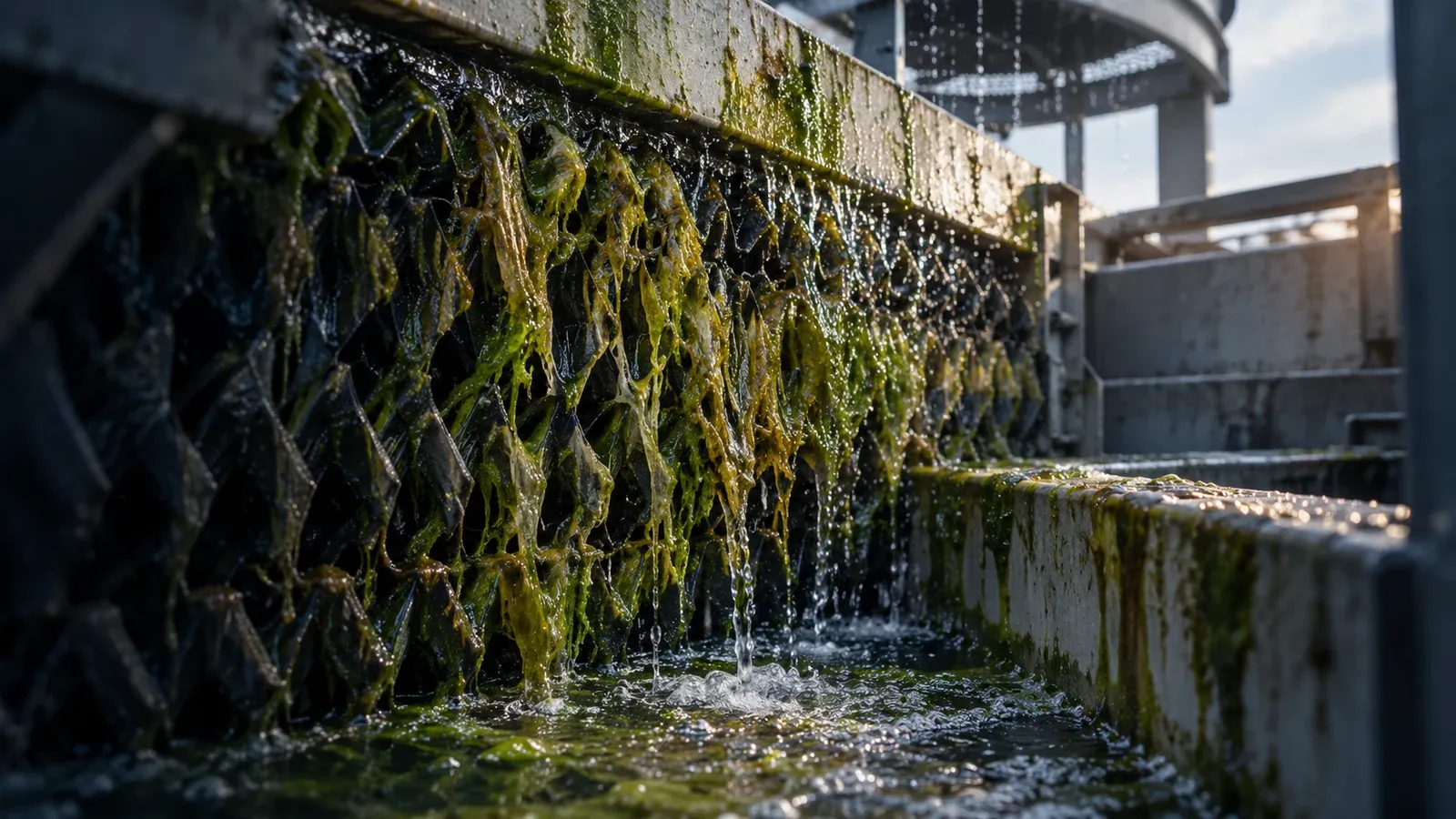
How do you control biological growth in cooling water?
Bacteria, algae and biofilm thrive in warm, nutrient-rich cooling water. Learn the signs, causes, microbiological checks and the biocide approach.
 Illustration
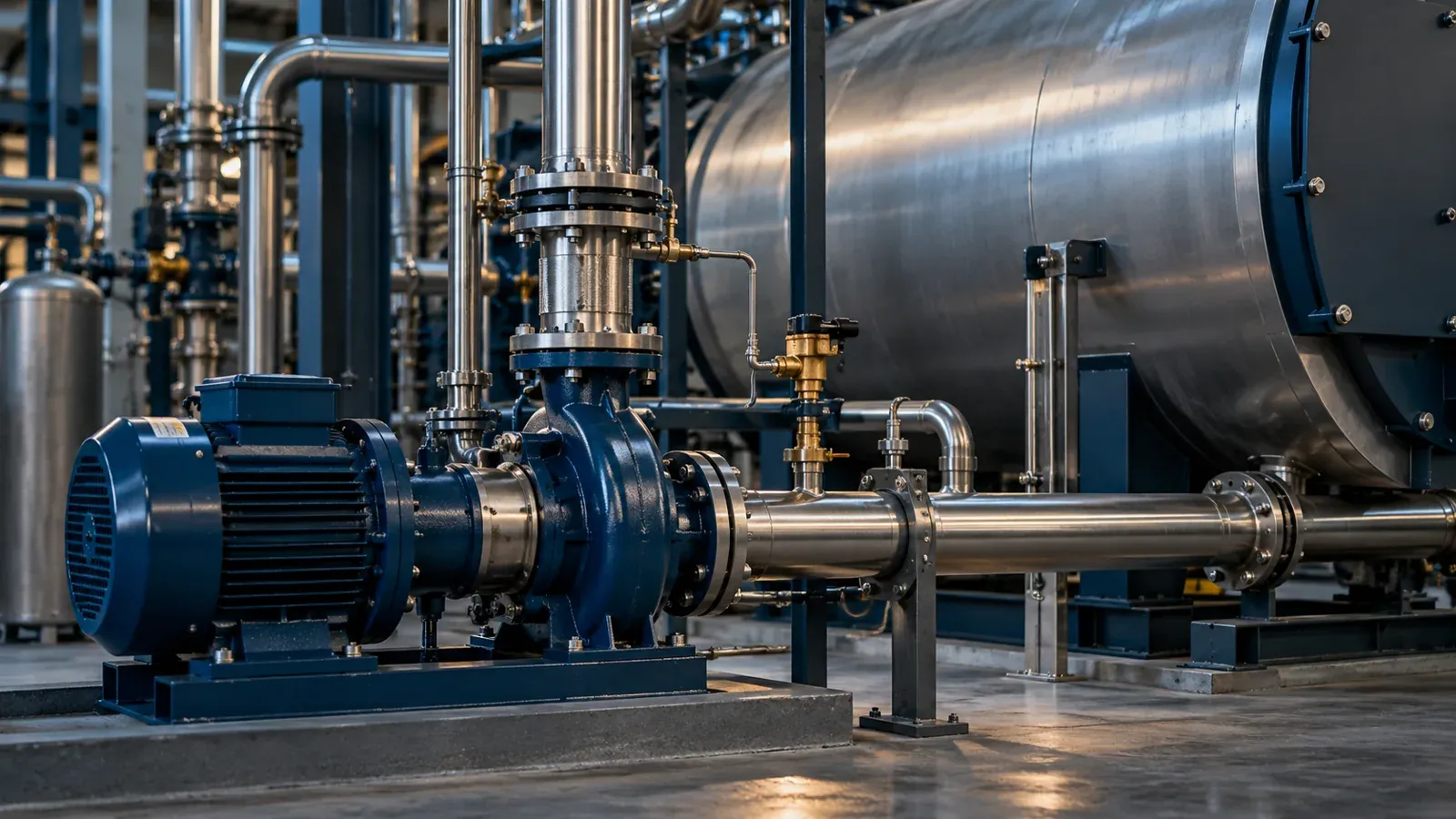
How does dissolved oxygen corrode boilers and how do you stop it?
Dissolved oxygen in boiler feedwater causes pitting of feed lines, economisers and boiler surfaces. Learn the signs, checks and the oxygen scavenger approach.
- Illustration
What causes condensate line corrosion in steam systems?
Condensate lines corrode from carbonic acid and dissolved oxygen. See the signs, the checks to run and the neutralizing amine approach for steam and condensate.
 Illustration
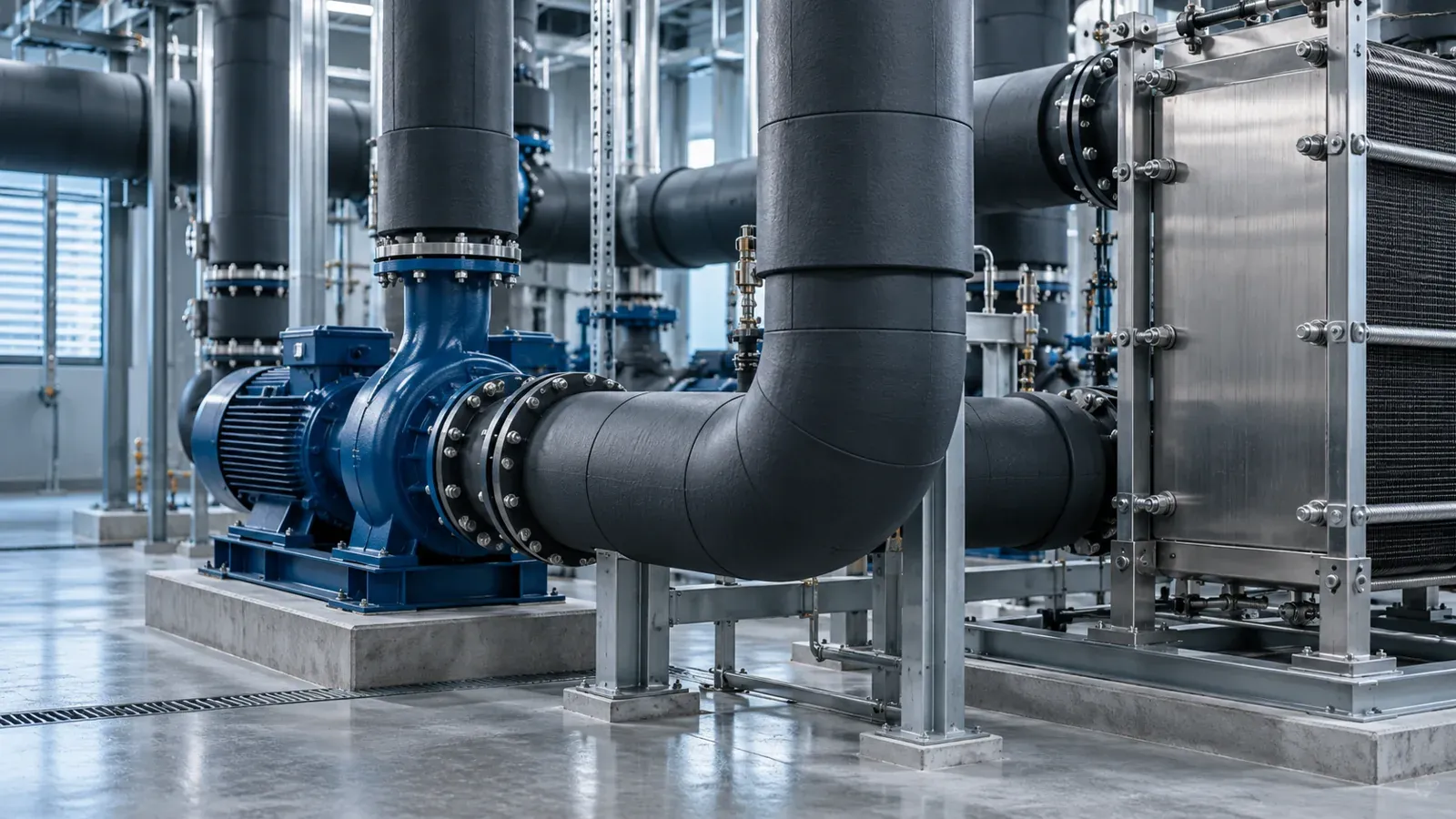
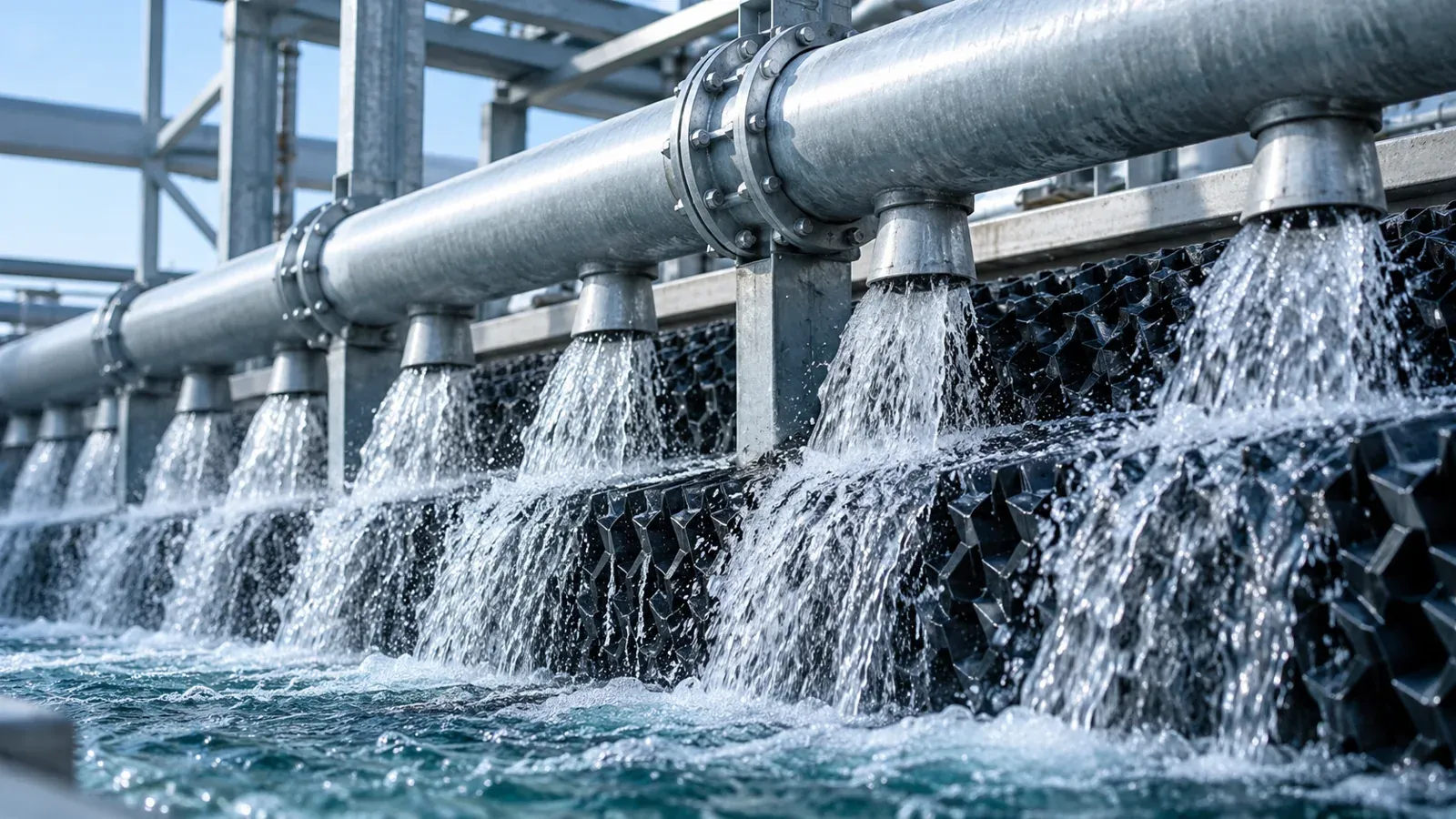
What causes corrosion in closed-loop chilled water systems?
Closed chilled-water and hot-water loops corrode when oxygen enters, inhibitor residual falls or microbes grow. See the signs, checks and the nitrite inhibitor approach.
 Illustration
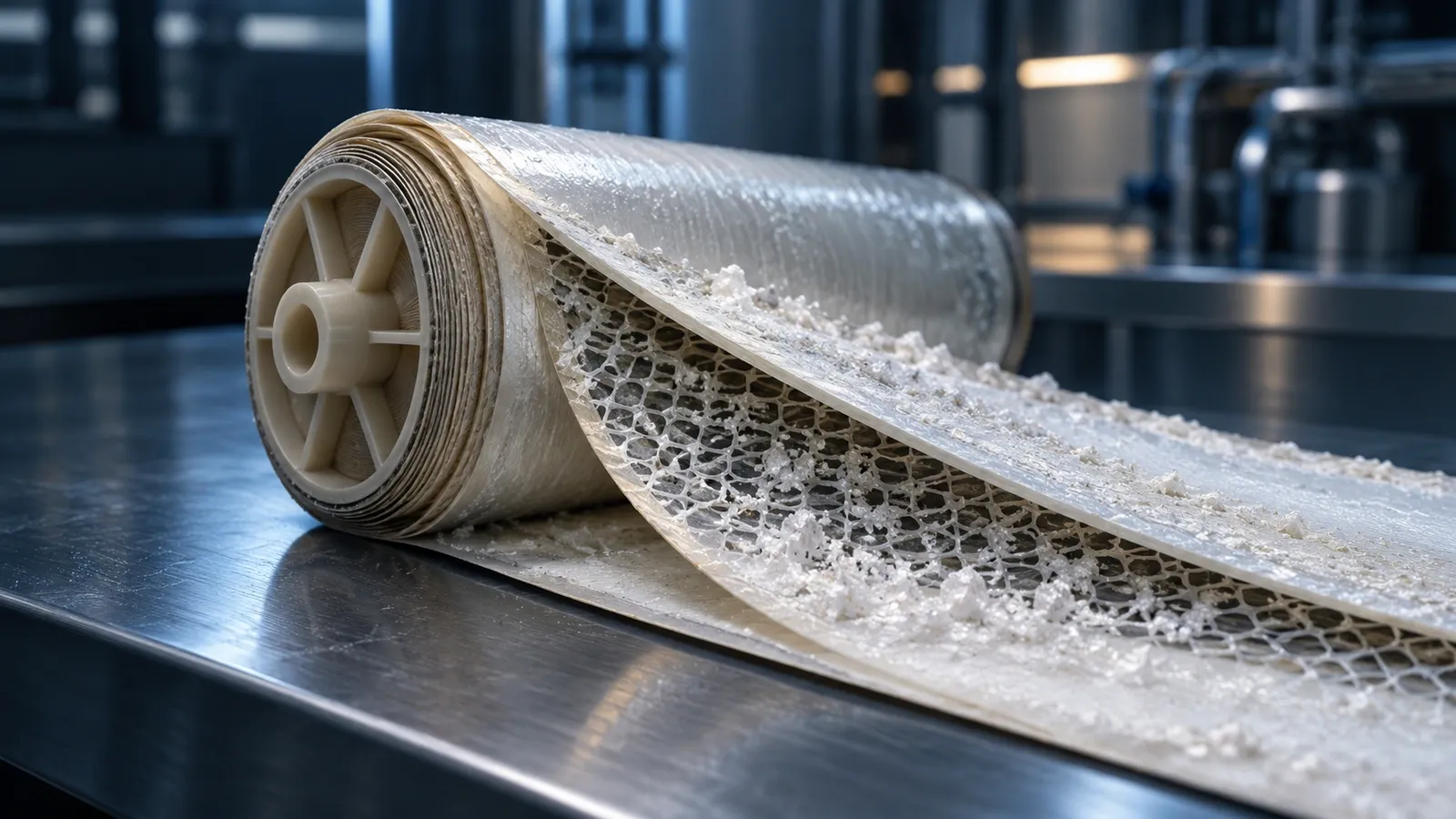
What causes corrosion in cooling tower systems?
Corrosion in open recirculating cooling systems is driven by dissolved oxygen, salts, low pH and microbial activity. See the signs, checks and the inhibitor approach.
 Illustration
What causes RO membrane scaling and how is it controlled?
RO membrane scaling is the crystallisation of sparingly soluble salts on the membrane as the concentrate becomes saturated. See the signs, causes, checks and the treatment approach.
- Illustration
What causes scale and deposits in boilers?
Boiler scale forms when hardness, silica and iron deposit on heated surfaces. Learn the effects, causes, the checks to run and the scale and corrosion inhibitor approach.
- Illustration
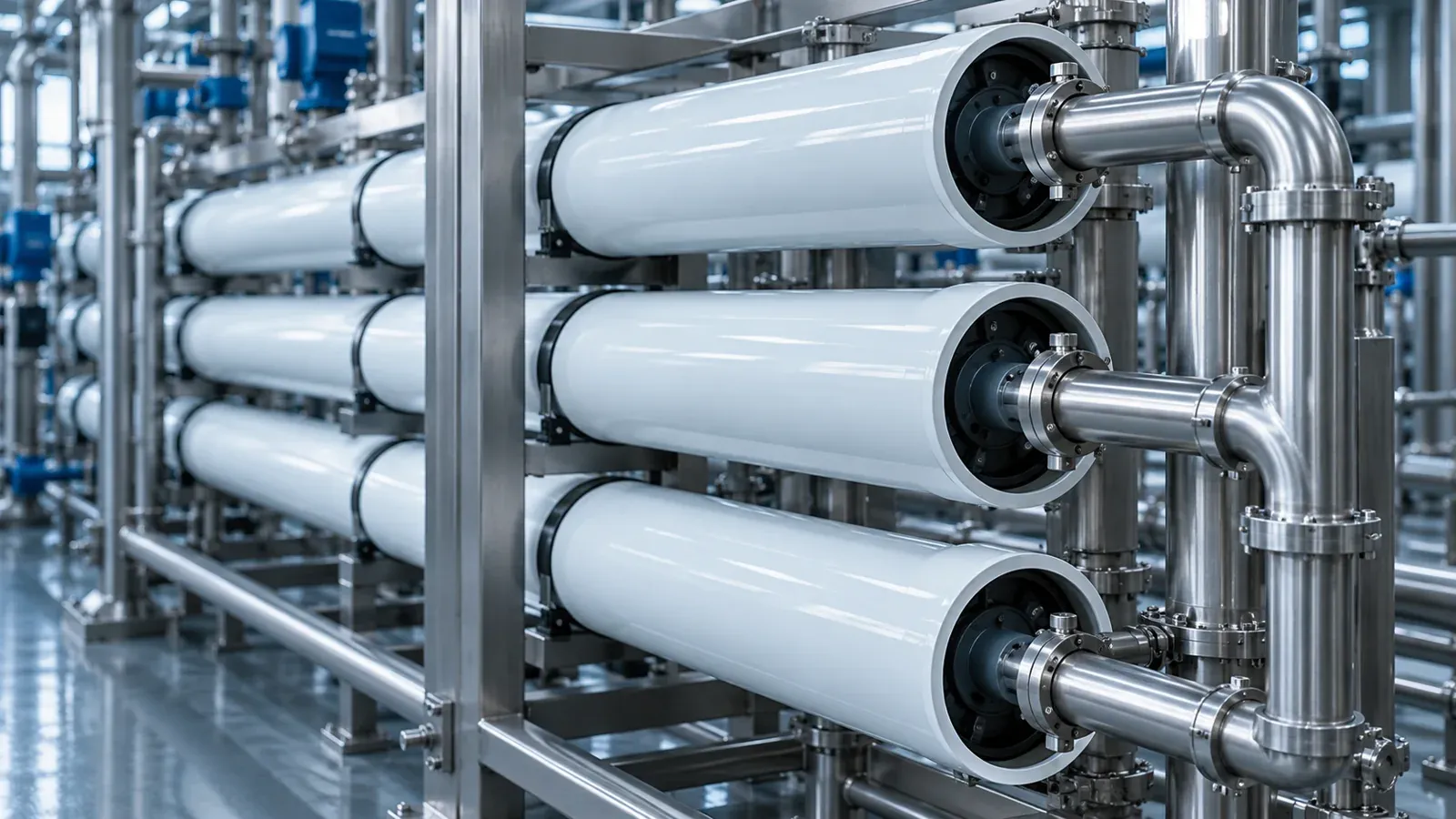
What causes scale in cooling towers and how do you stop it?
Cooling tower scale forms when evaporation concentrates hardness and alkalinity beyond their solubility. See the signs, causes, checks and the scale inhibitor approach.
 Illustration
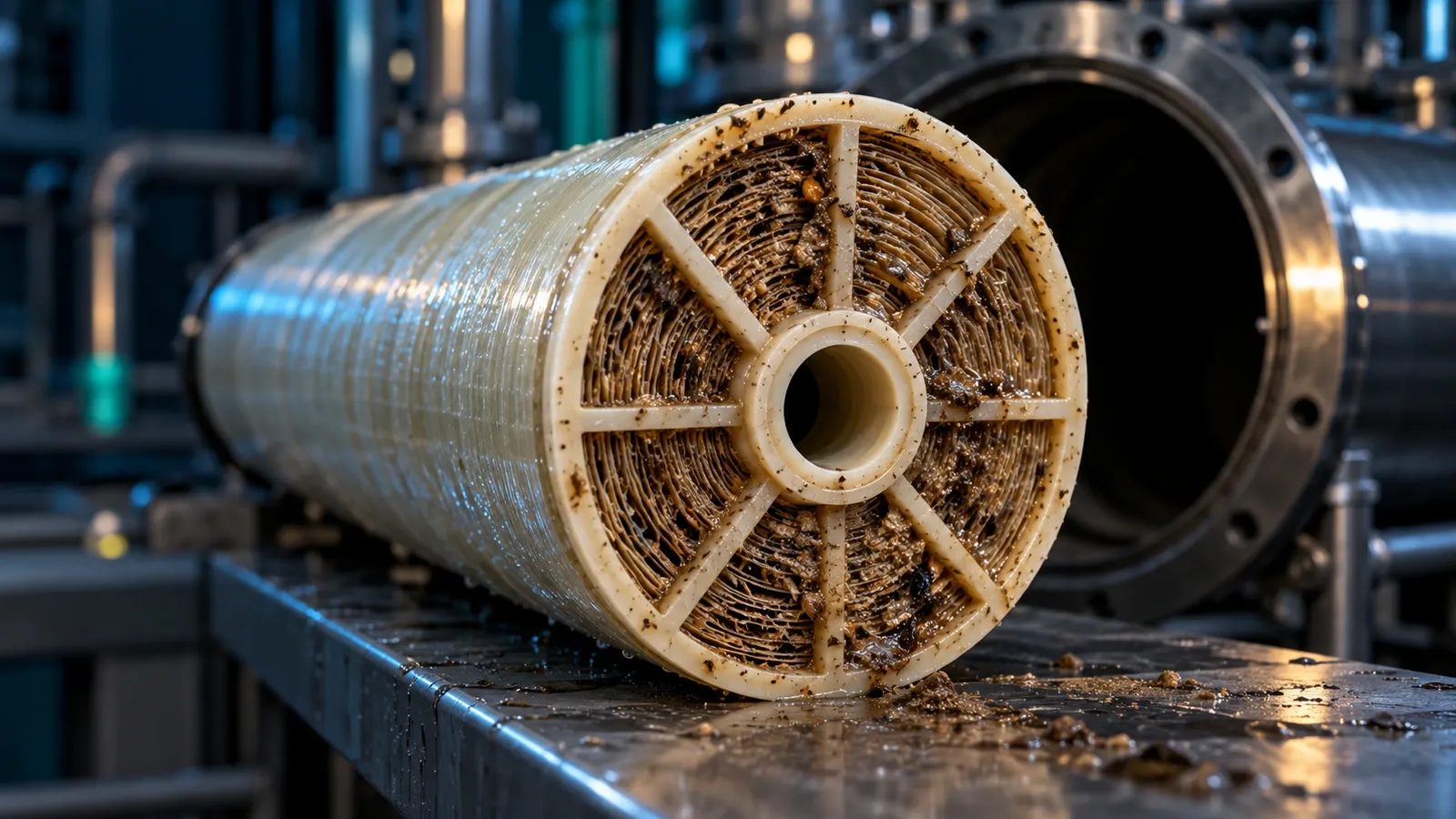
What is RO membrane biofouling and how do you control it?
Biofouling is the growth of a bacterial biofilm on RO membranes and feed spacers. Learn the signs, causes, checks and the cleaning and disinfection approach.
 Illustration
Why is RO differential pressure increasing?
A rising differential pressure across an RO system points to restricted feed channels. Learn how to tell fouling, scaling and pre-treatment problems apart before cleaning.
Most water-treatment decisions begin with a symptom: a rising differential pressure, scale on a heat-transfer surface, pitting in a pipe, a slimy film in a cooling tower. This section describes the problems we see most often and how to reason about them.
The pages are written qualitatively. Treatment rates are never generic: our technical team sets them from the water analysis and the operating conditions of your system.
The problems covered include rising differential pressure, scaling and biofouling in RO systems, scale, corrosion and biological growth in cooling towers, corrosion in closed chilled-water loops, and scale deposits, oxygen corrosion and condensate-line corrosion in boilers.
Find the page that matches what you are seeing, then send your operating data and a recent water analysis for a technical review.
Let's discuss your water system.
Share the application and operating context to start a technical review.