
Industries
Manufacturing
Water systems typical of manufacturing plants, the operating problems that follow when the chemistry drifts, and how a problem-led approach keeps production loops stable.
On this page (6)
Overview
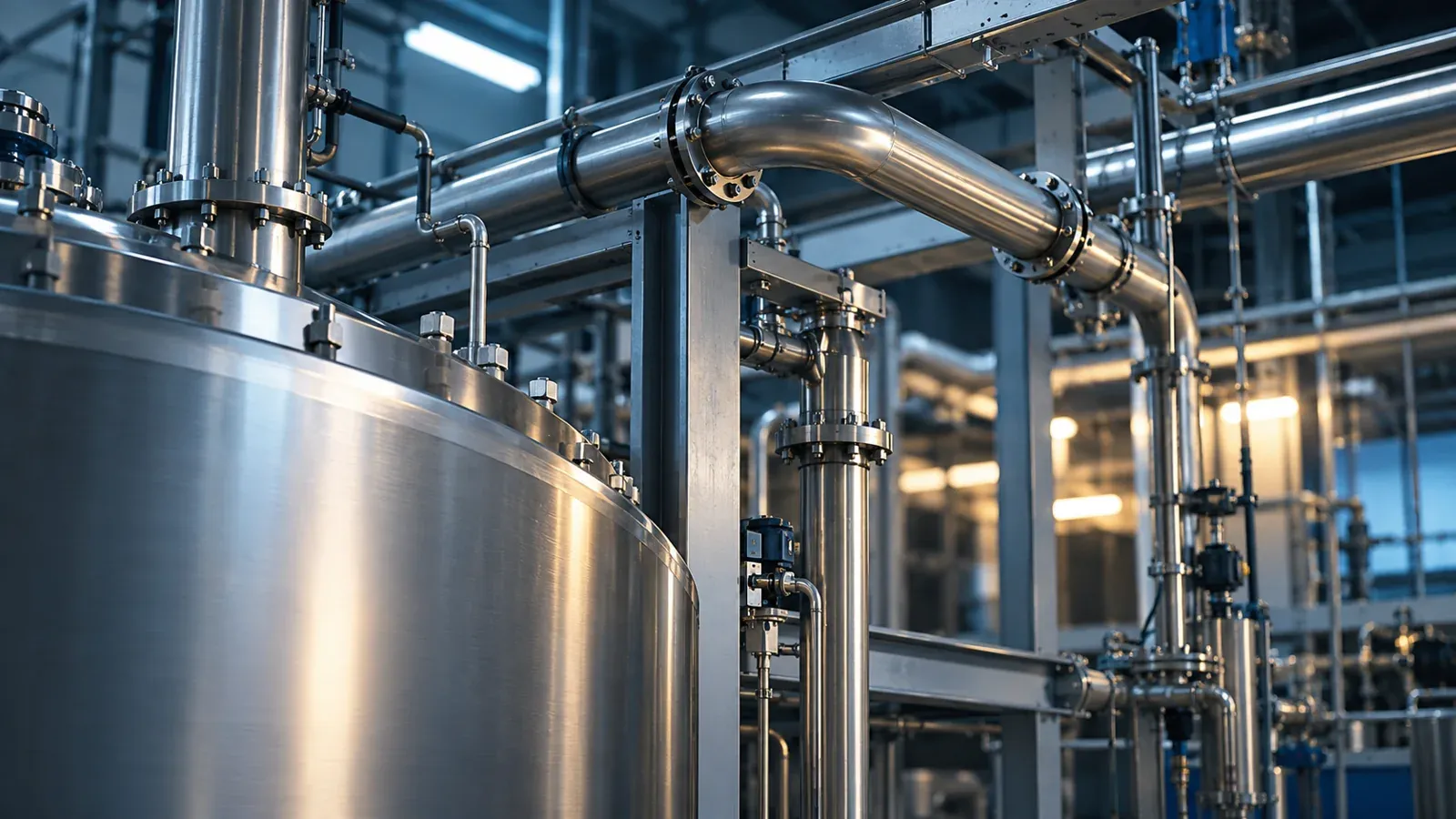
Industrial production plants use water in several quiet but critical roles: process cooling, chilled-water loops for air conditioning and machinery, steam for heating and processes, and purified water for rinsing or product use. Each loop behaves differently and fails differently when the water chemistry drifts. This page describes the systems typical of the sector and the problems that tend to follow. It is a general overview and not a statement of past work in any sector.
Which water systems are typical in a manufacturing plant?
Open recirculating cooling towers reject heat from process equipment and chillers. Closed chilled-water loops carry cooling to air handlers and machine tools. Steam boilers supply heat or process steam, with feedwater and condensate return lines. Reverse osmosis (RO) units prepare low-conductivity water for boiler make-up, rinsing or processes that cannot tolerate dissolved salts. Process effluent usually passes through a treatment stage before discharge.
What typically goes wrong?
- Scale on heat-exchange surfaces, which raises energy use and limits cooling capacity.
- Corrosion of carbon steel pipework and exchanger tubes, in open and closed circuits alike.
- Biological growth and slime in cooling water, which fouls surfaces and shelters corrosion.
- Oxygen and carbon dioxide attack in boilers and condensate lines.
- Fouling and scaling of RO membranes, seen first as a rising differential pressure.
What do decision makers in the sector care about?
Plant, utilities and maintenance managers care about production continuity: an unplanned stop caused by a fouled exchanger or a damaged boiler is costly, and much of the risk sits in the water chemistry of the cooling and boiler systems. They look for stable operation between planned shutdowns, predictable consumption of chemicals and spares, and records they can show to colleagues and insurers. Procurement looks for a supplier that can state clearly what a product is for, in which system and with what monitoring.
How does a problem-led approach help?
Starting from the symptom rather than the product keeps the discussion technical. A rising approach temperature points toward scale or fouling, pitting points toward corrosion or a low inhibitor residual, and a rising RO differential pressure points toward fouling or scaling of the membranes. The treatment rate is then set by our technical team from the water analysis and the operating conditions, and the system is monitored so that the result can be checked rather than assumed.
Challenges
The challenges below are typical of the sector in general and are not a record of our own experience in it.
- Several water loops on one site, each needing its own treatment logic, monitoring routine and chemical compatibility check.
- Production schedules that leave short windows for cleaning, inspection and repair, so problems found late are expensive.
- Cooling-tower make-up water that changes with season and supply, which moves the scaling and corrosion balance.
- Boiler feedwater and condensate quality that depends on both the make-up treatment and the condition of return lines.
- Limited in-house chemistry resources, so water analysis, monitoring and records are easily deferred.
- The need to explain chemical choices to maintenance, safety and purchasing staff in plain technical terms.
A problem-led conversation, backed by a recent water analysis and the operating data of each loop, is the practical way to separate these challenges.
Related solutions
Cooling Water Treatment for Open Recirculating Cooling Towers
Scale, corrosion and biological control for open recirculating cooling towers, with monitoring and blowdown management built into the program.
Chilled Water Treatment for Closed-Loop Systems
Nitrite-based corrosion and scale inhibition for closed chilled-water loops, with nitrite residual monitoring and biocides suitable for closed circuits.
Boiler Water Treatment for Low and Medium Pressure Boilers
Oxygen control in feedwater, pH control in the boiler, internal scale and corrosion inhibition, and neutralizing amines to protect condensate lines.
RO Chemicals: Antiscalants, Membrane Cleaners and Disinfectant
A treatment program for seawater and brackish RO plants: antiscalants to control scale, membrane cleaners to restore performance, and a disinfectant to limit biological growth.
Wastewater and STP Chemicals: Coagulation, Flocculation and pH Adjustment
Chemical treatment steps for sewage treatment plants and industrial wastewater: coagulation, flocculation, pH adjustment, defoaming and clarification.
Related applications
Cooling Towers
Open recirculating cooling towers reject heat by evaporation, which concentrates the water. Scale, corrosion and biological growth are the three risks to manage.
Closed-Loop Chilled Water
Closed chilled-water loops carry cooling through a building or plant in a sealed circuit. Corrosion and deposits are the main risks, and a sealed loop depends on a stable inhibitor residual.
Steam Boilers
Steam boilers concentrate dissolved solids as they raise steam. Scale and corrosion inside the boiler are the main risks, and they are managed through water chemistry, blowdown and monitoring.
Brackish Water RO
Brackish water RO removes dissolved salts from water of moderate salinity. Scaling, fouling and biofouling of the membranes are the main risks, and they show up first as differential pressure and output.
Boiler Feedwater and Condensate
Feedwater and condensate lines carry the water to and from the boiler. Dissolved oxygen and carbon dioxide are the main corrosion drivers, and they are controlled with oxygen removal and pH management.
Related products
Cooling water chemicals
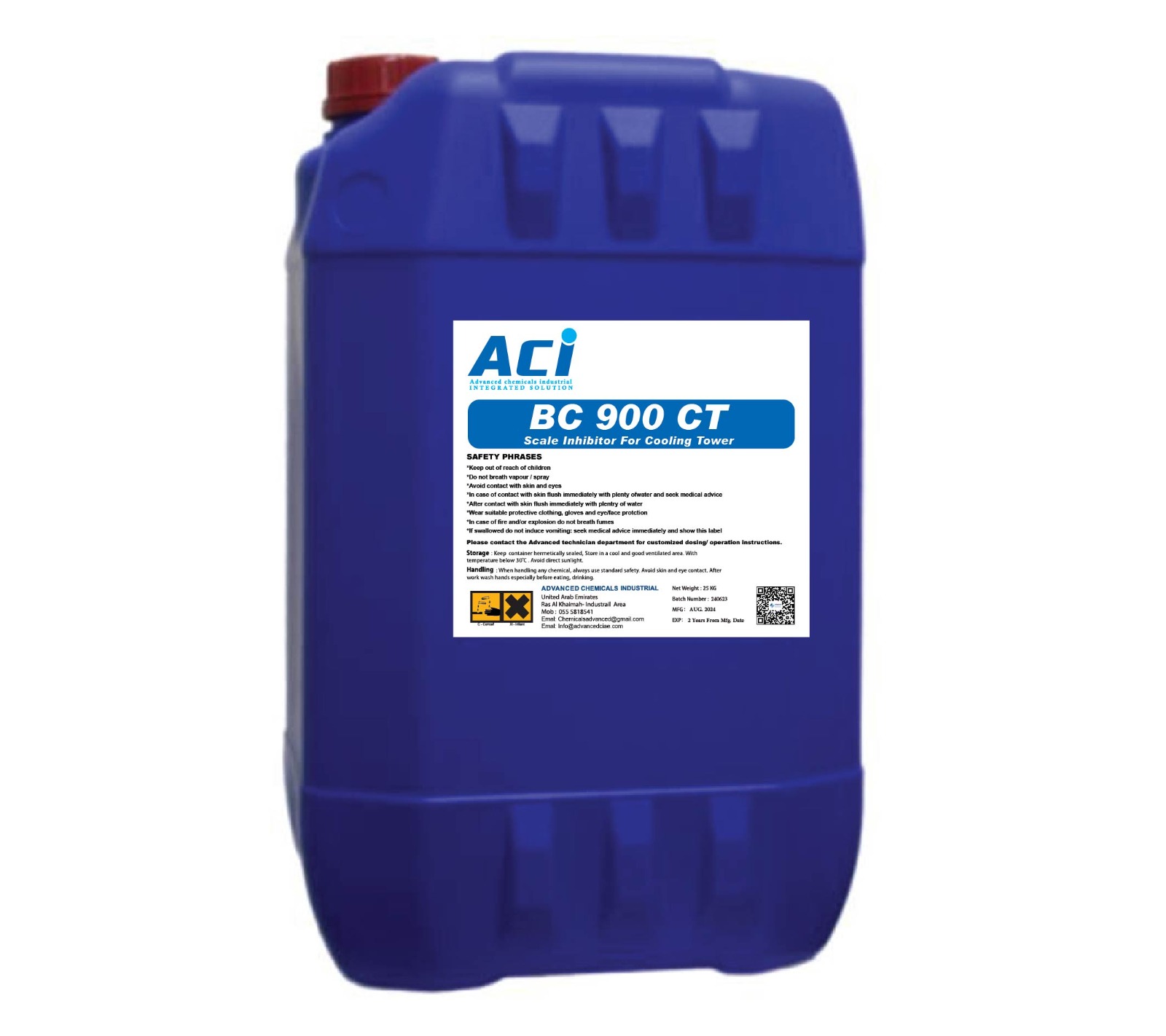
BC 900 CT Cooling Tower Scale and Corrosion Inhibitor
Zinc chloride based treatment that helps control corrosion and scale formation in open recirculating cooling water systems and cooling towers.
Cooling water chemicals
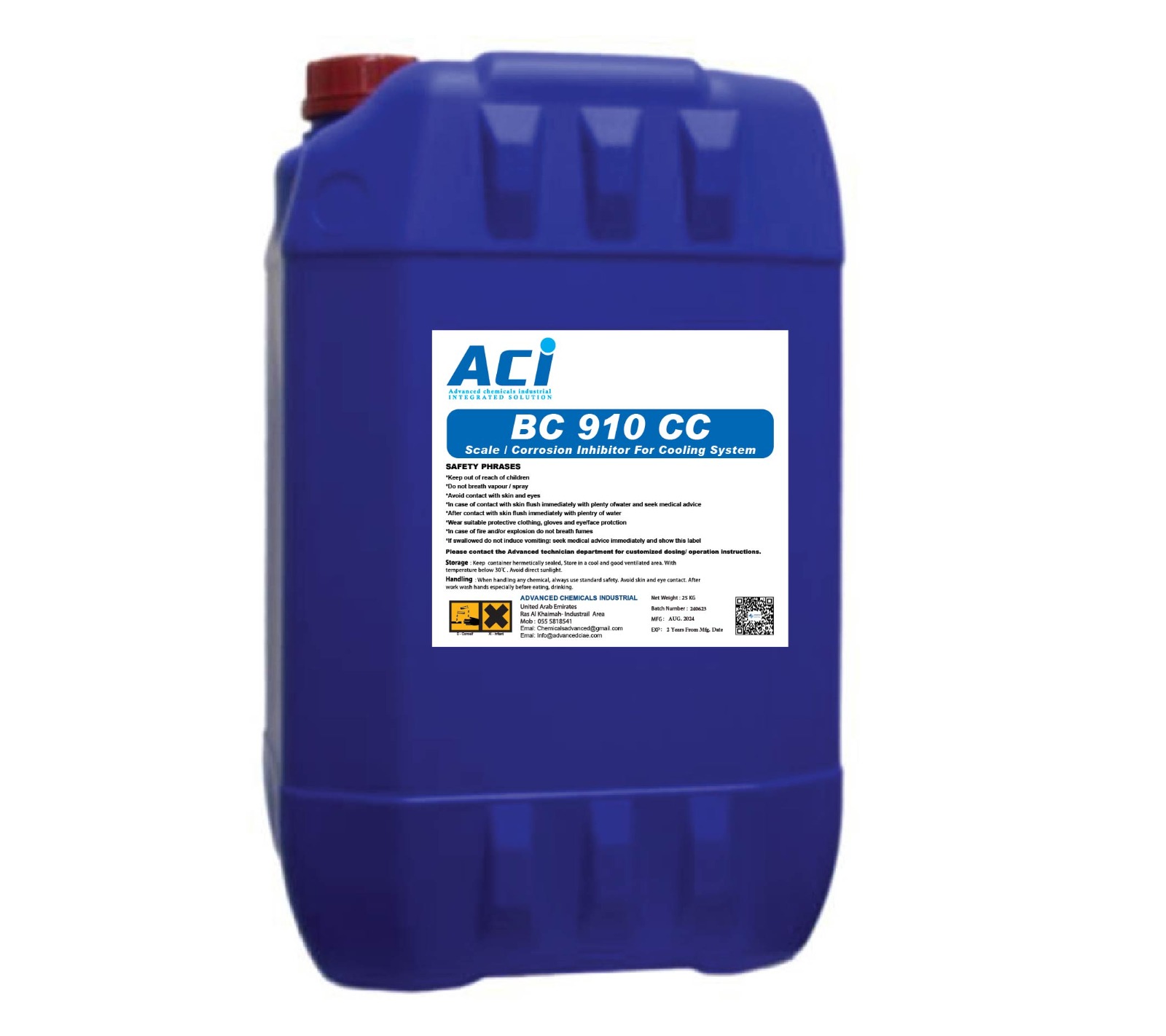
BC 910 CC Closed-Loop Chiller Inhibitor
Nitrite-based corrosion and scale inhibitor for closed-loop chilled water systems.
Boiler water chemicals
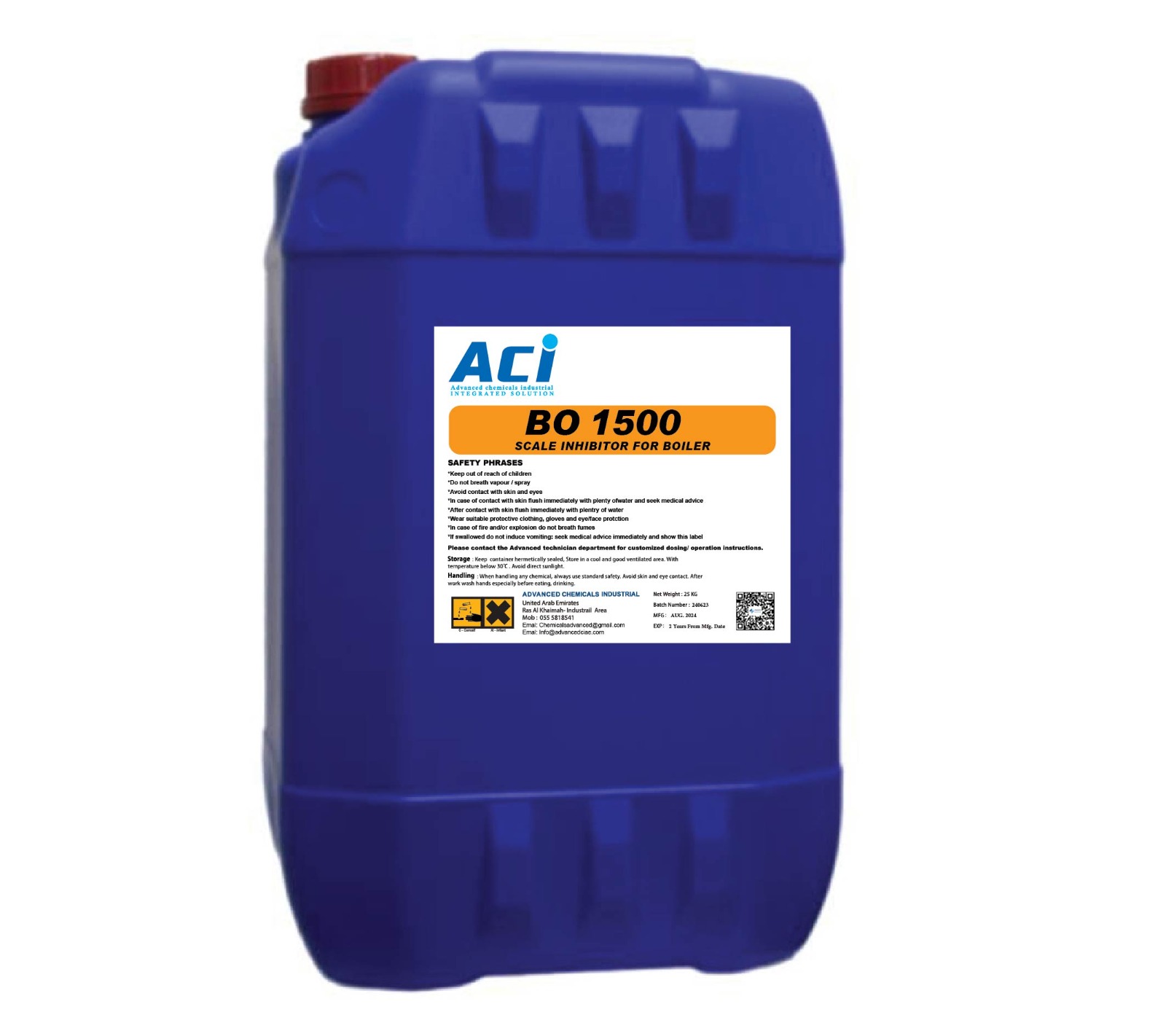
BO 1500 Boiler Scale and Corrosion Inhibitor
Treatment that helps control scale formation and corrosion in industrial and commercial boiler systems.
Antiscalants
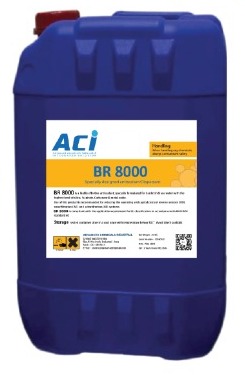
BR8000 Reverse Osmosis Antiscalant
Antiscalant for seawater and brackish water reverse osmosis, for controlling carbonate, sulphate, metal oxide and silica scale.
Related problems
What causes scale in cooling towers and how do you stop it?
Cooling tower scale forms when evaporation concentrates hardness and alkalinity beyond their solubility. See the signs, causes, checks and the scale inhibitor approach.
What causes scale and deposits in boilers?
Boiler scale forms when hardness, silica and iron deposit on heated surfaces. Learn the effects, causes, the checks to run and the scale and corrosion inhibitor approach.
What causes RO membrane scaling and how is it controlled?
RO membrane scaling is the crystallisation of sparingly soluble salts on the membrane as the concentrate becomes saturated. See the signs, causes, checks and the treatment approach.
What causes corrosion in closed-loop chilled water systems?
Closed chilled-water and hot-water loops corrode when oxygen enters, inhibitor residual falls or microbes grow. See the signs, checks and the nitrite inhibitor approach.
Let's discuss your water system.
Share the application and operating context to start a technical review.